
Arachne: Spinners of Time
Blog by Maria Martinez and Teresa Cabellos
Arachne. Spinners of Time (Aracne. Hilanderas del Tiempo) is a project that was born by chance when two people (Maria and Teresa) discovered that they shared the same interests in traditional textile techniques, prehistory and experimentation. When we found out that we also shared a passion for spreading the knowledge we acquire through our research, we decided that it was time to combine these aspects and embark on a much wider project than the one we initially envisioned!
Arachne. Spinners of time focuses on different aspects:
The documentation of archaeological finds related to textiles. We are especially interested in sites from the Iberian Peninsula, particularly sites dated from the Paleolithic to the Iron Age, but we are open to expanding our chronological boundaries! Currently, we are slowly building a visual representation (“an informative map of textiles”), containing both chronological as well as geographical information of sites with finds of any kind related to textiles.
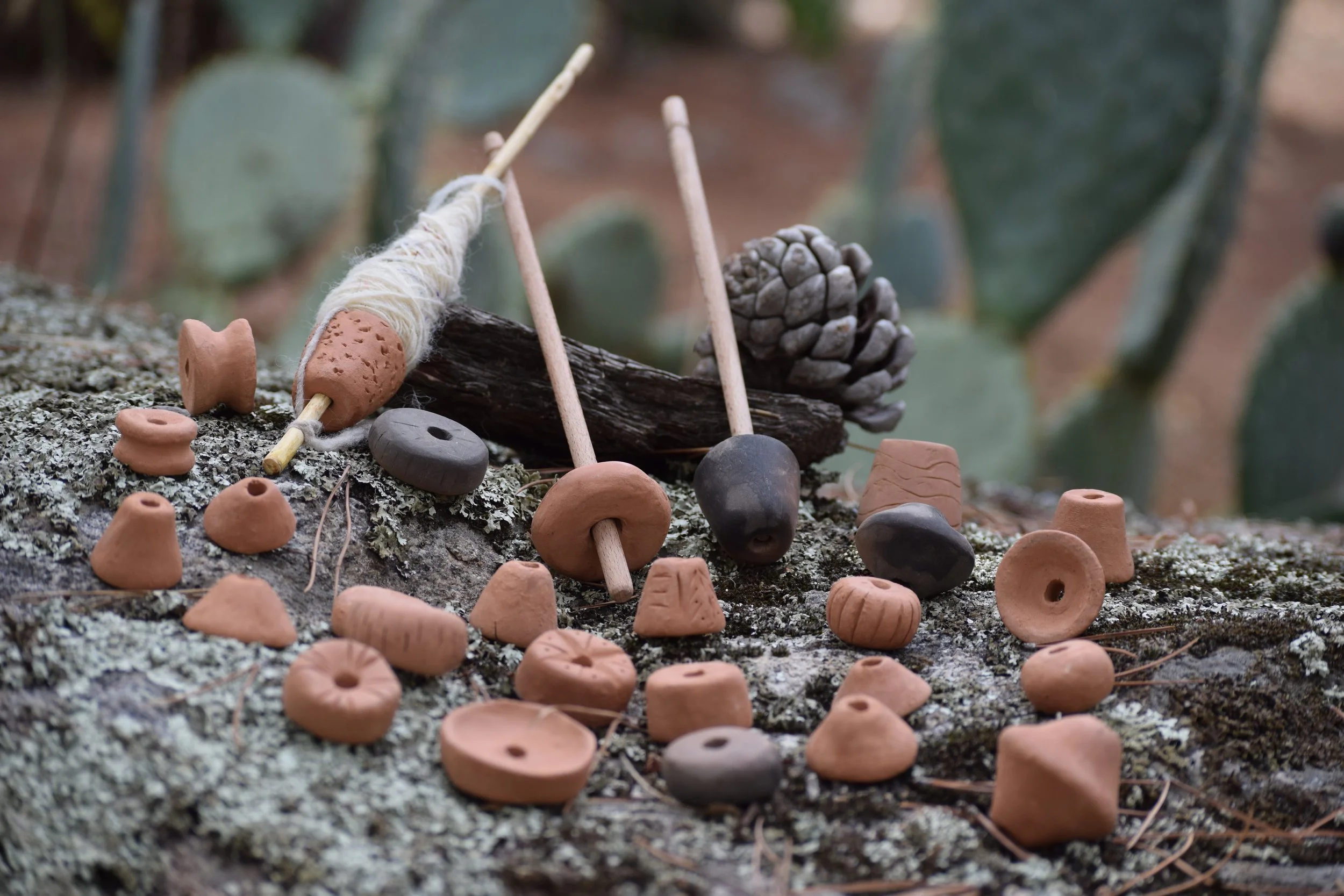
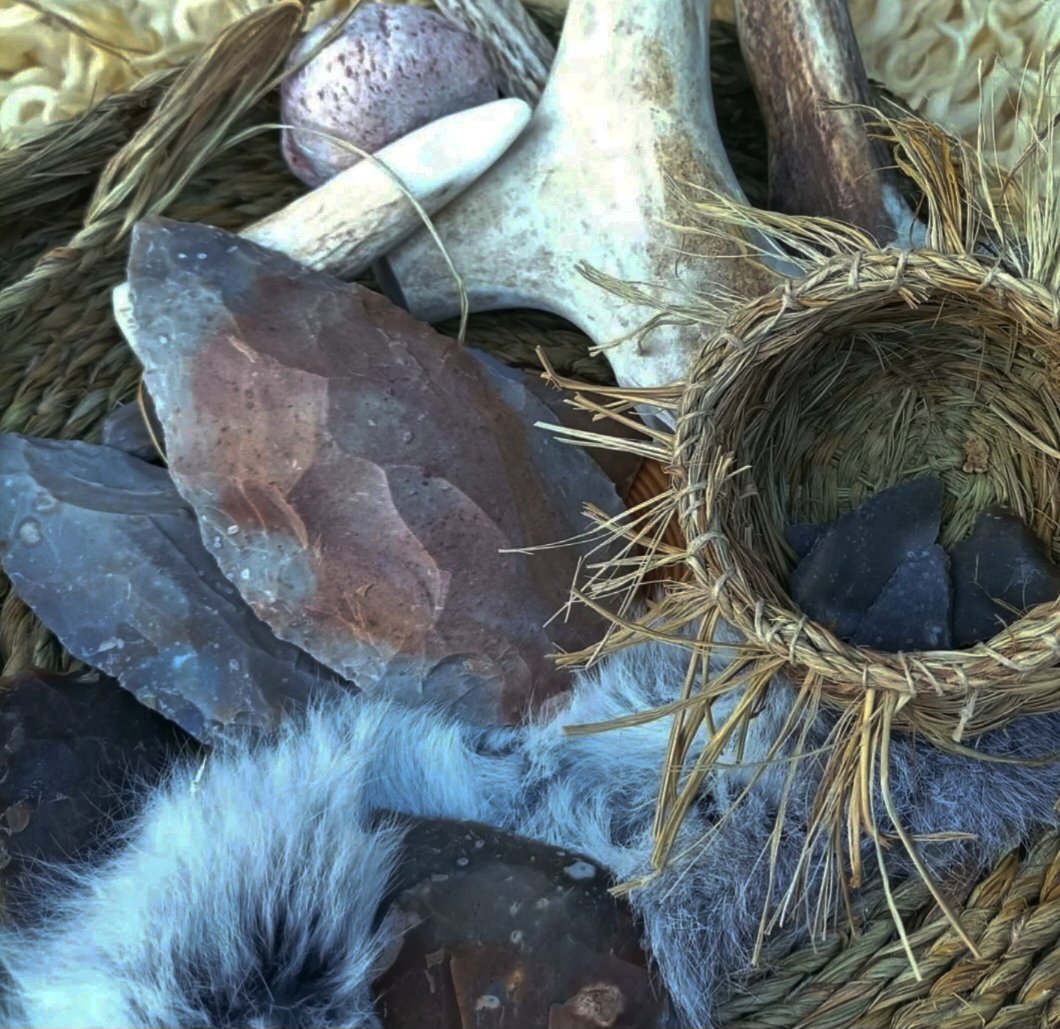
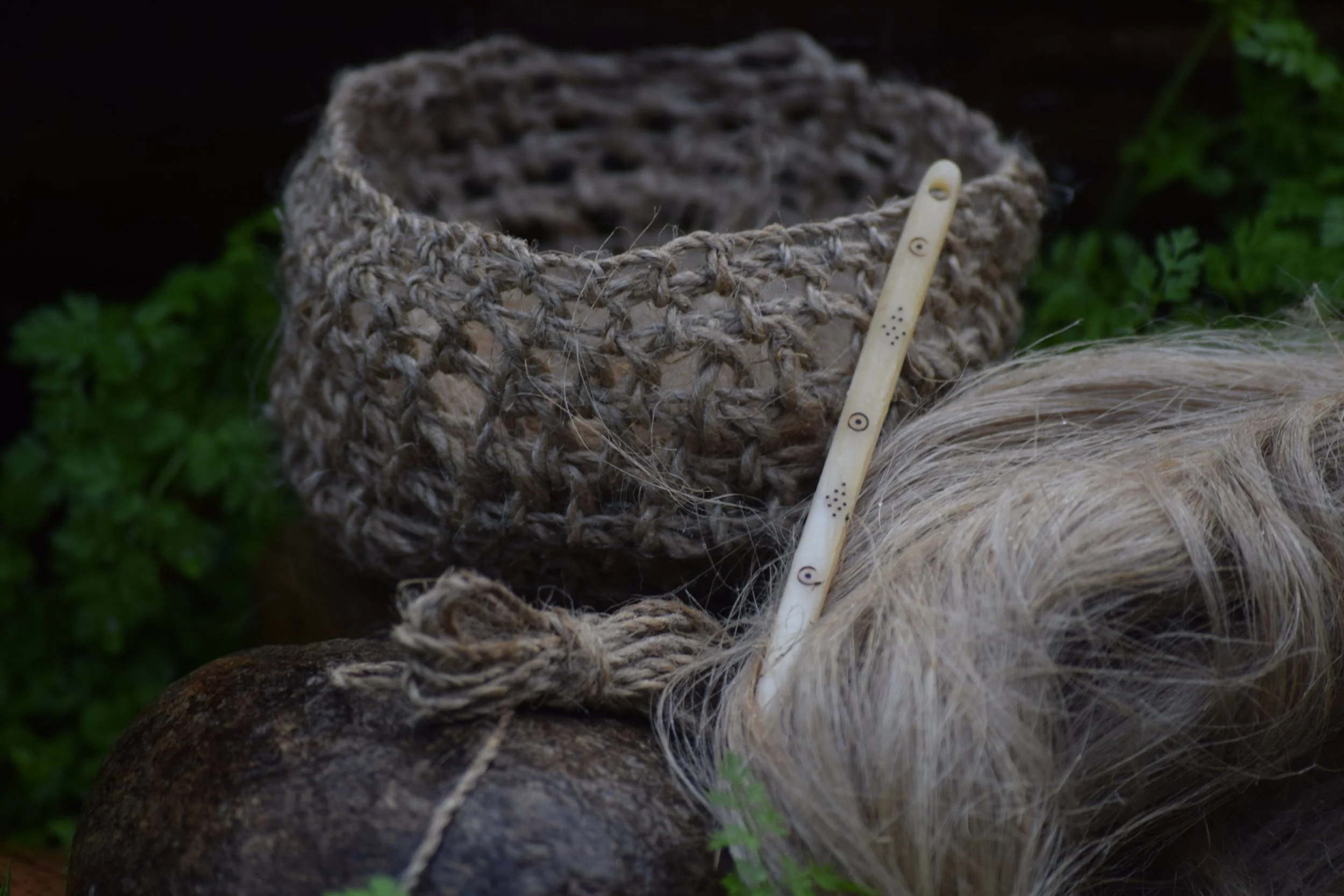
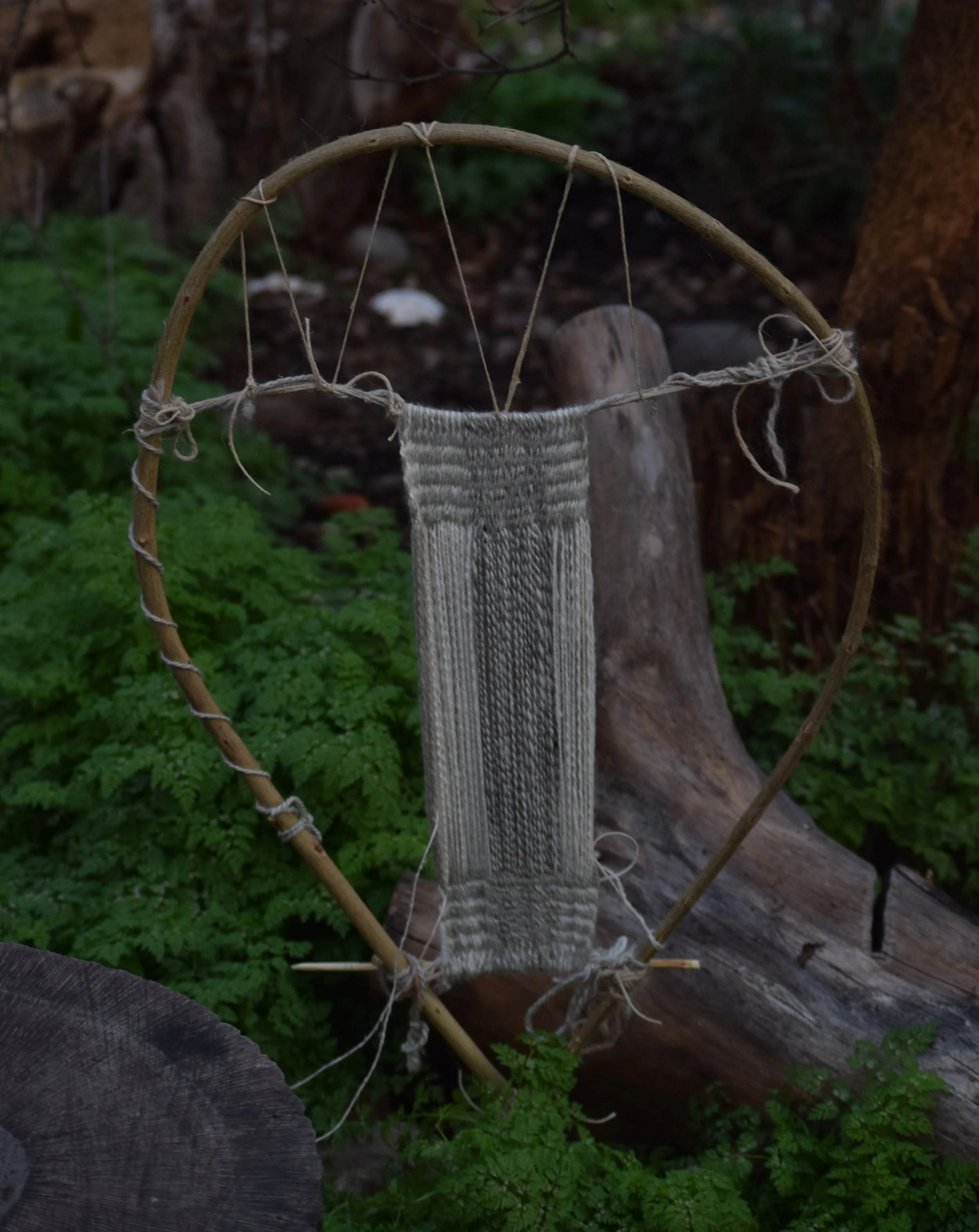
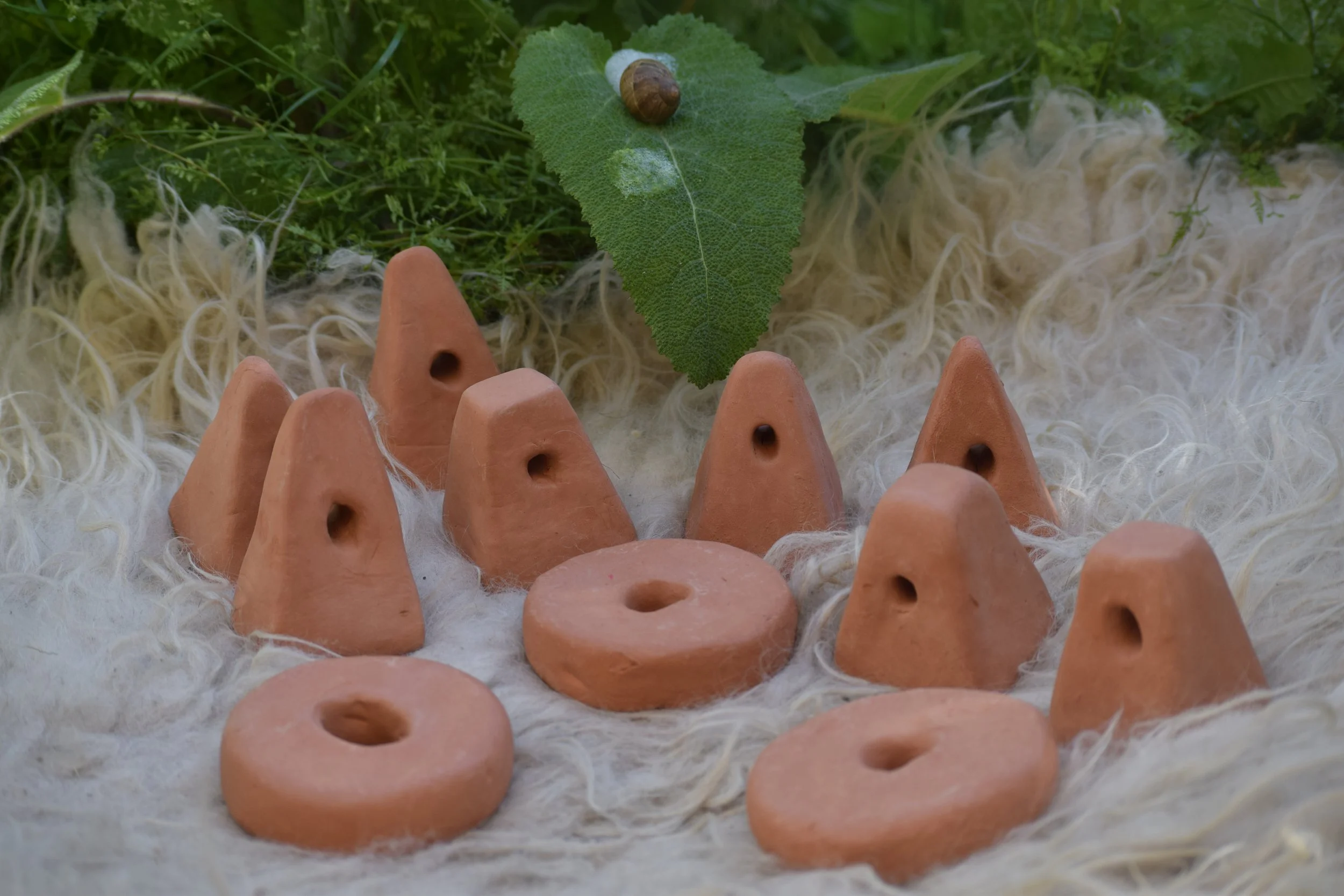
The exploration of textile techniques from the past. We believe that the best way to learn is through experimenting. For that, we want to explore as many different textile techniques as we can, and create textiles, objects and tools based on archaeological finds, making sure to always use time-appropriate tools and processes. Slowly we are trying to create a record of textiles and utensils (cords, garments, shoes, belts, jewelry, baskets and bark containers, …); tools (whorls, looms and loom weights, bone and antler needles, tablets, …) and techniques (extraction of bast fibers, flax and nettles processing, spinning, weaving, dyeing with natural material, finger looping, språng, nålbinding, …). We believe that, by direct experimentation, we can gain a better understanding of the “minutiae” of the different textile techniques we are exploring and of how the tools were used.
The divulgation of our textile heritage to preserve the technical knowledge accumulated since Paleolithic times. Through social media (@aracne.hilanderasdeltiempo) and, hopefully, our own website and a YouTube account, we aim to reach a much wider number of people interested on such a “niche” subject as archaeological textiles, who may not be so familiar with some of the amazing finds from the Iberian Peninsula. However, the way we really love to share our project is through workshops, sitting with people, sharing hands-on experiences, teaching and, at the same time learning, is, we believe, a good representation of what collaborative work was probably in the past.
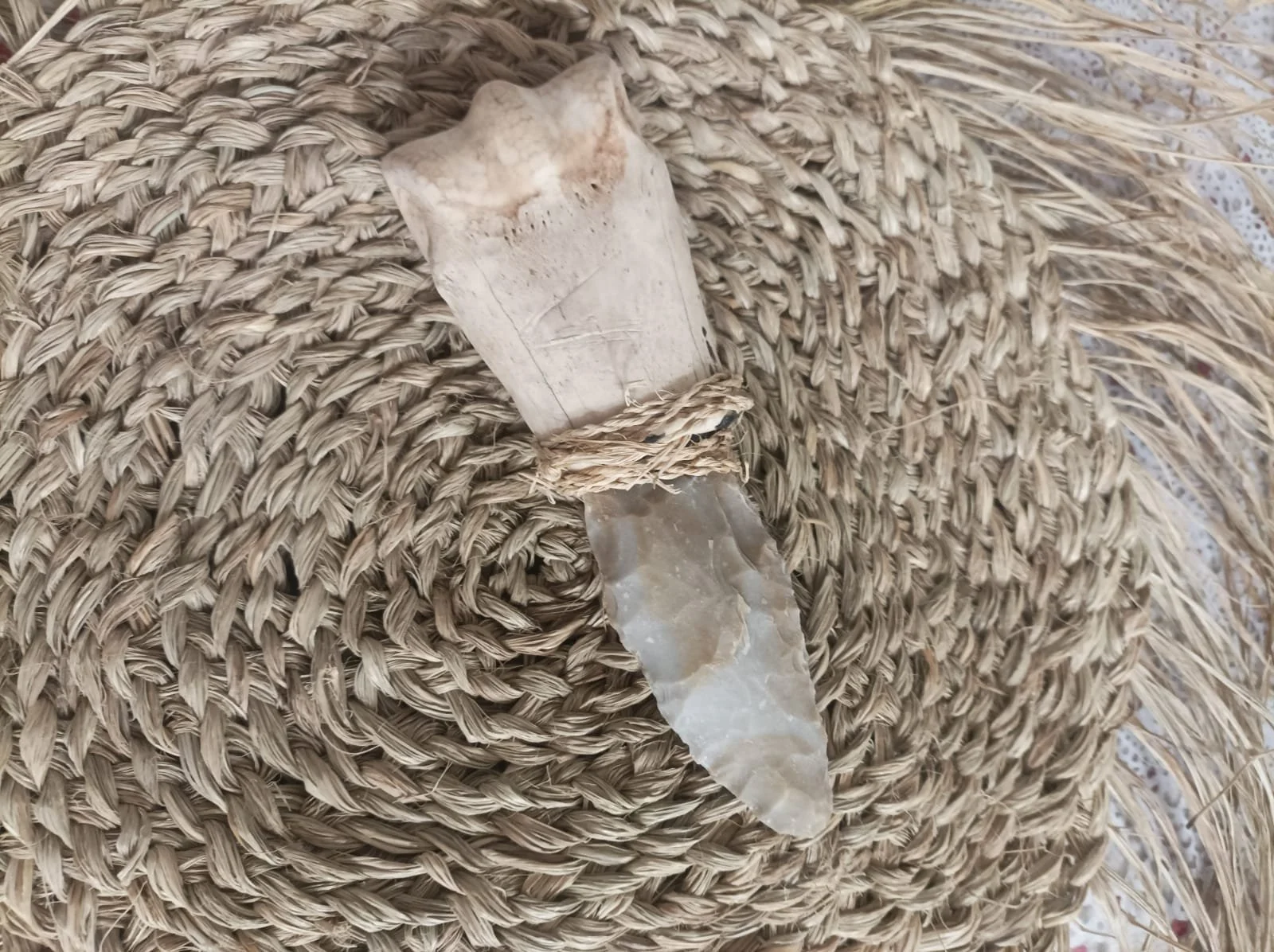
The biggest challenge for us is documenting as many different techniques as possible and to create accurate reproductions of archaeological finds from sites located in the geographical area we are most interested in -the Iberian Peninsula. This is challenging for several reasons , on the one hand the geographical and climatic characteristics of the Iberian Peninsula make the preservation of organic materials particularly difficult. Additionally, cremation was the most common “burial tradition” in the vast majority of the cultures, contributing to the scarcity of direct evidence of textiles.
As a result, we are aware that to accurately document some of the textile techniques we want to explore, we are bound to extrapolate from other European sites. However, it is the relative scarcity of sites with fragments of textiles in the Iberian Peninsula, which makes some of the findings more spectacular.
Only luck, an exceptionally dry climate, as at the Los Murciélagos sites in Albuñol or the Sacred Cave in Murcia, or particular thermal conditions, as at Peña Calera, have allowed some of these remains to come down to us. What has survived is truly astonishing: master esparto weavers who made baskets, sandals, and other objects using techniques that are still used today, but executed with a skill that could only have come from specialization and accumulated learning over generations. The tunics found in the Sacred Cave help us imagine their world and their daily lives.
Cultures such as the Millares, one of the oldest fortified settlements in Western Europe, along with the Motillas, or the Argar, one of the most developed bronze-worker cultures, still have much to reveal. We hope to contribute to the dissemination and understanding of these cultures that, in ancient times, inhabited our territory.
Written by Maria Martínez and Teresa Cabellos