
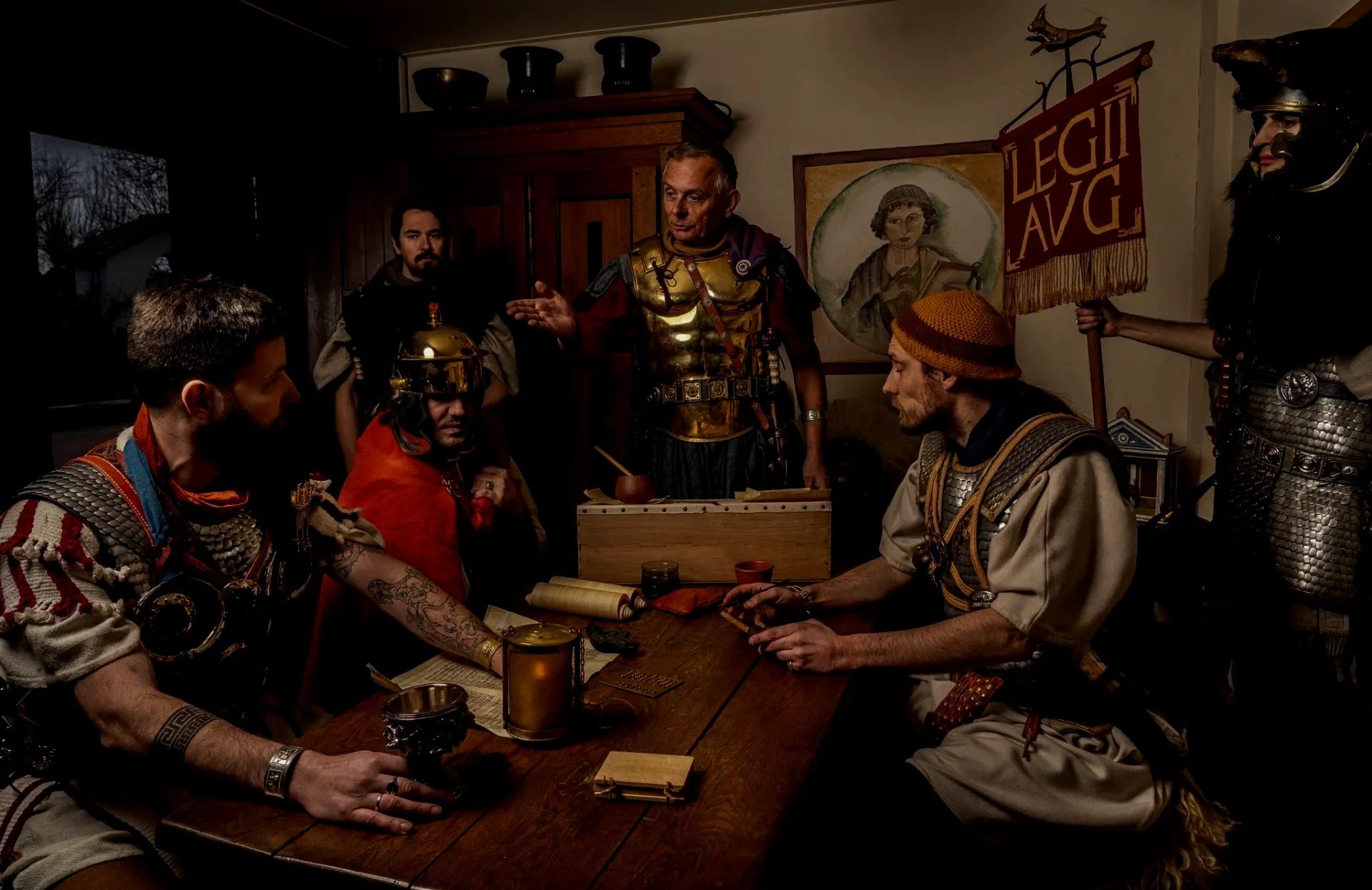
From academic research and collaborations with museums and institutions to reenactment, craftwork, and informal projects carried out simply for the joy of discovery, the blog highlights the creativity and diversity within our community.
We would like to warmly invite you to contribute a short post for the EXARC Blog. The blog aims to better connect our community by showcasing informal texts from our members, offering a space for you to introduce yourself and share what you are currently working on.
In your post, we invite you to tell the EXARC community who you are, what you are busy with at the moment, and provide a general introduction to your background and interests. The focus of this contribution is on you rather than on a specific project or technical work.
Posts can be up to 1,000 words in length and may include up to 10 images to help illustrate your story. To keep this section accessible and personal in tone, please avoid academic references, footnotes, or technical deep dives into experiments, craft processes, or event reviews. Instead, we encourage you to keep the emphasis on your personal profile and current professional activities.
We look forward to hearing from you and to sharing your work with the wider EXARC community.
EXARC BLOG
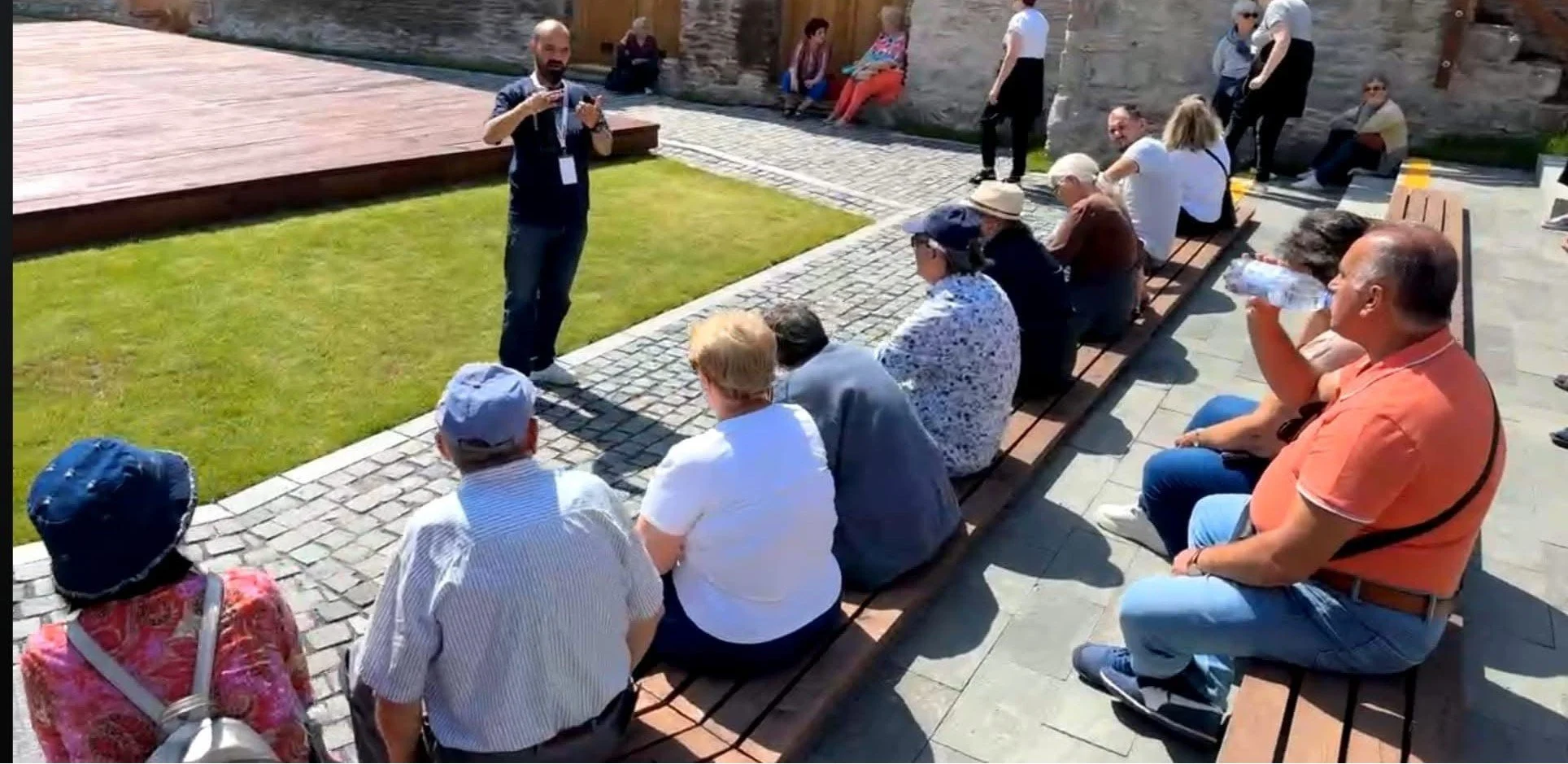
From Reenactment to Guiding – When Experience Becomes Interpretation
Damiean Cristian is a tour guide from Deva, Romania. But before becoming a guide, he was, and still is, a reenactor.

ArcheoHotspots: A Dutch Phenomenon Shaping the Future of Public Participatory Archaeology
An ArcheoHotspot is a public workspace where anyone can participate in archaeological activities or projects free of charge and without appointment.
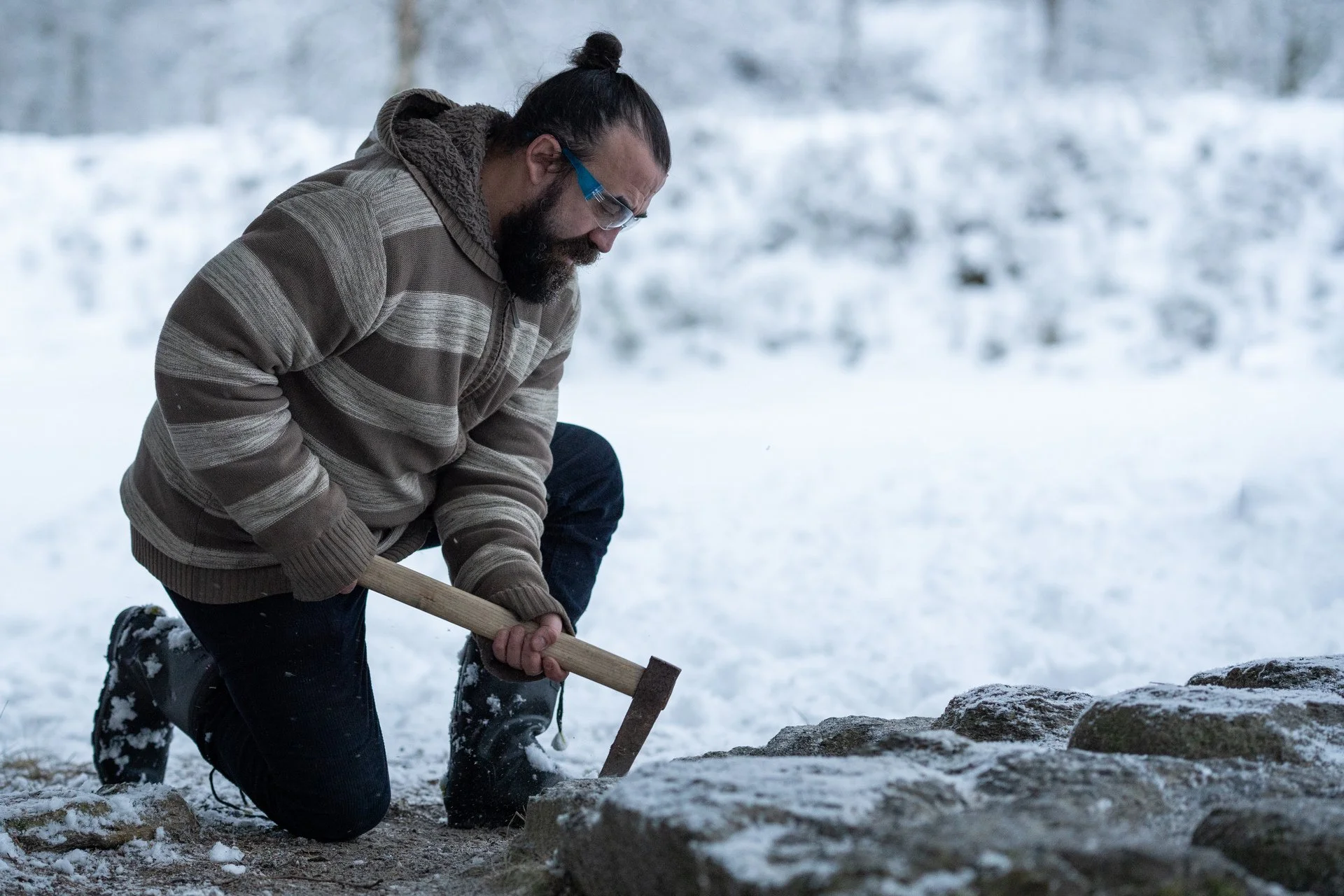
Between Archaeology and Craft: Reconstructing Stoneworking Practices Through Traditional Materials and Techniques: Some Examples from Norway
Filippo Olari is an archaeologist and stoneworker with over 25 years of experience in archaeological and historical projects across Europe.

Beyond the Bonnet: Interpreting the Lives of Historical Women
Laura Rocklyn is an actress, writer, and first person historical interpreter. She has performed with regional theater companies across the United States.
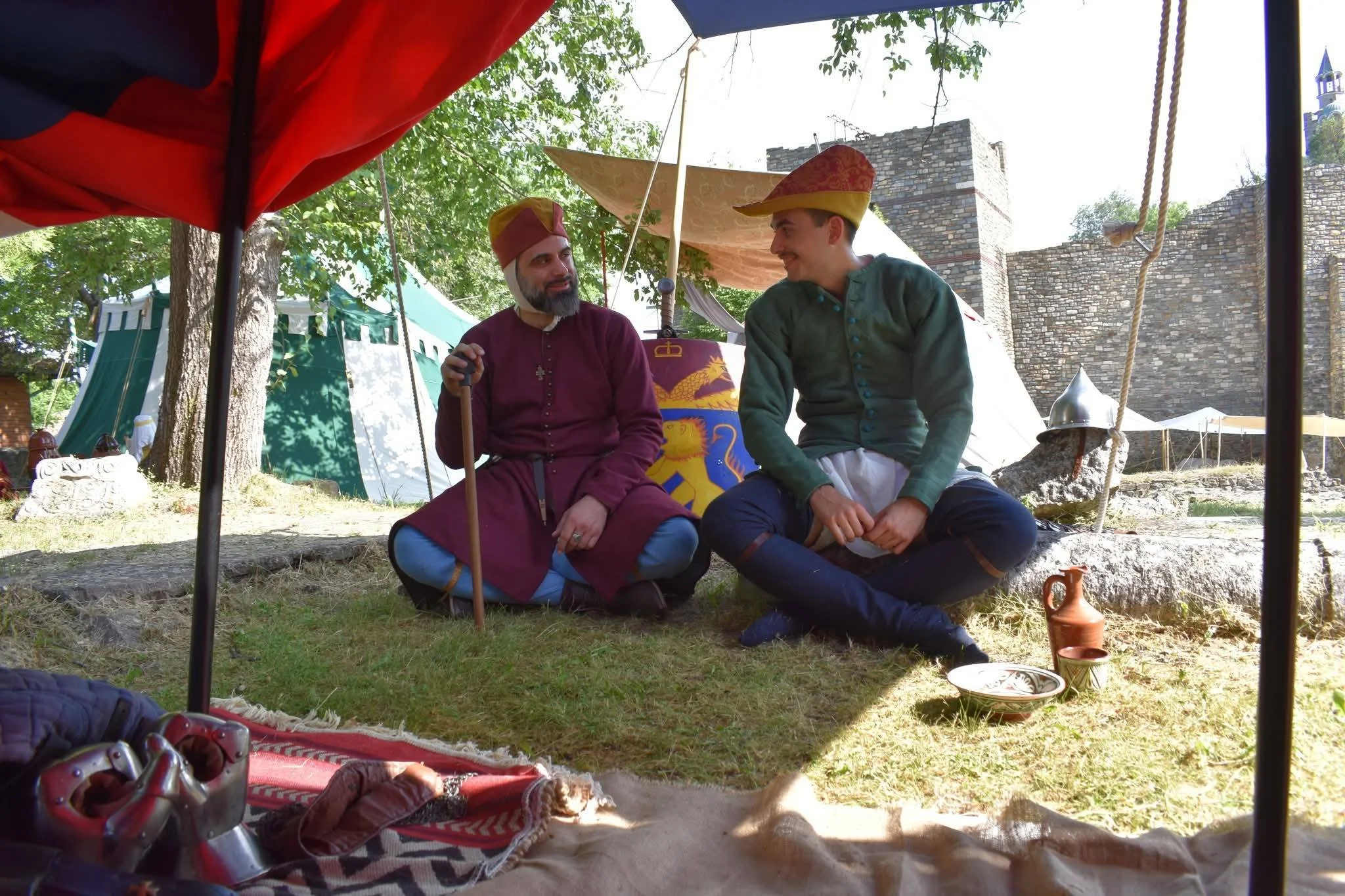
KORYVANTES: Exploring the Past through Experimental Archaeology
The Association of Historical Studies 'KORYVANTES' is a non-profit cultural organization, officially recognized by the Greek Peace Court, and registered in the National Registry of Cultural Organizations under the Ministry of Culture in Greece.
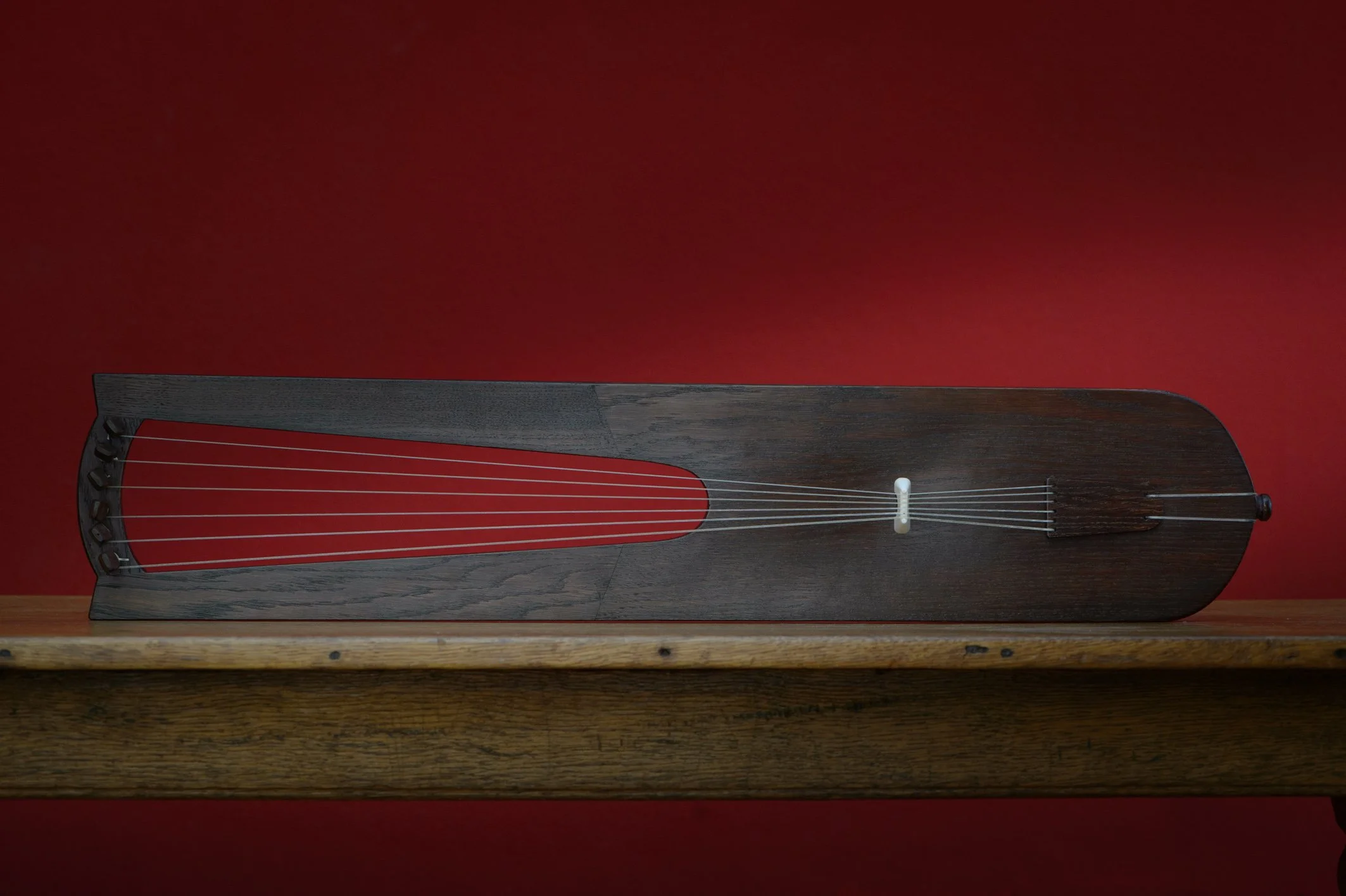
Music-Archaeology: Finding Sounds for the Past
Michael Dollendorf, EXARC member, explores how medieval music and storytelling can be reconstructed through archaeology, instruments, and performance.
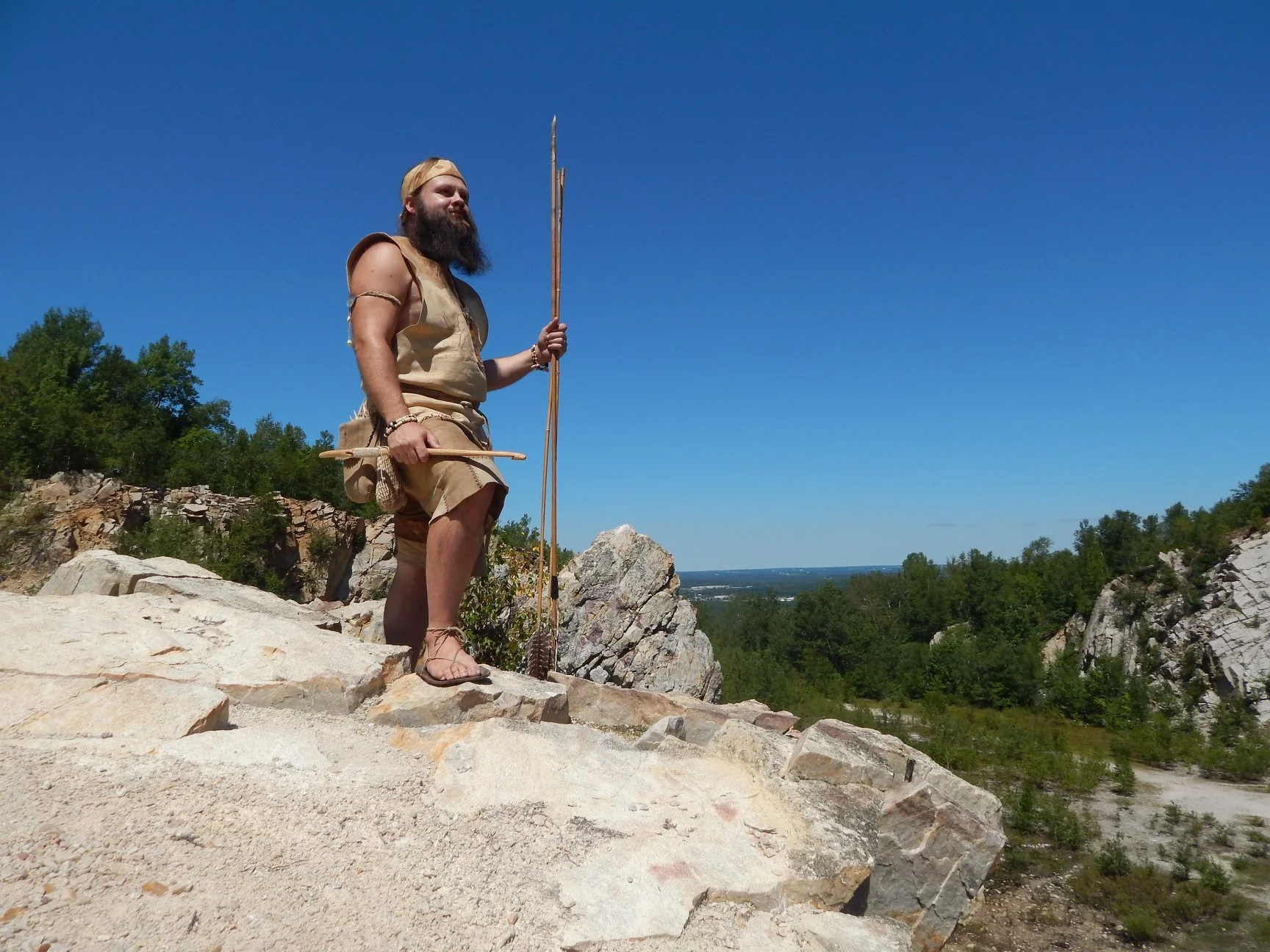
Mobilizing the Hunt for Knowledge
For the last several years, EXARC member Sean Sullivan has been working to build and expand a mobile museum concept. As “The Mammoth Hunter,” he travels to locations, primarily around the state of Wisconsin, USA, and brings educational programs to libraries, schools, historical societies, and other educators.
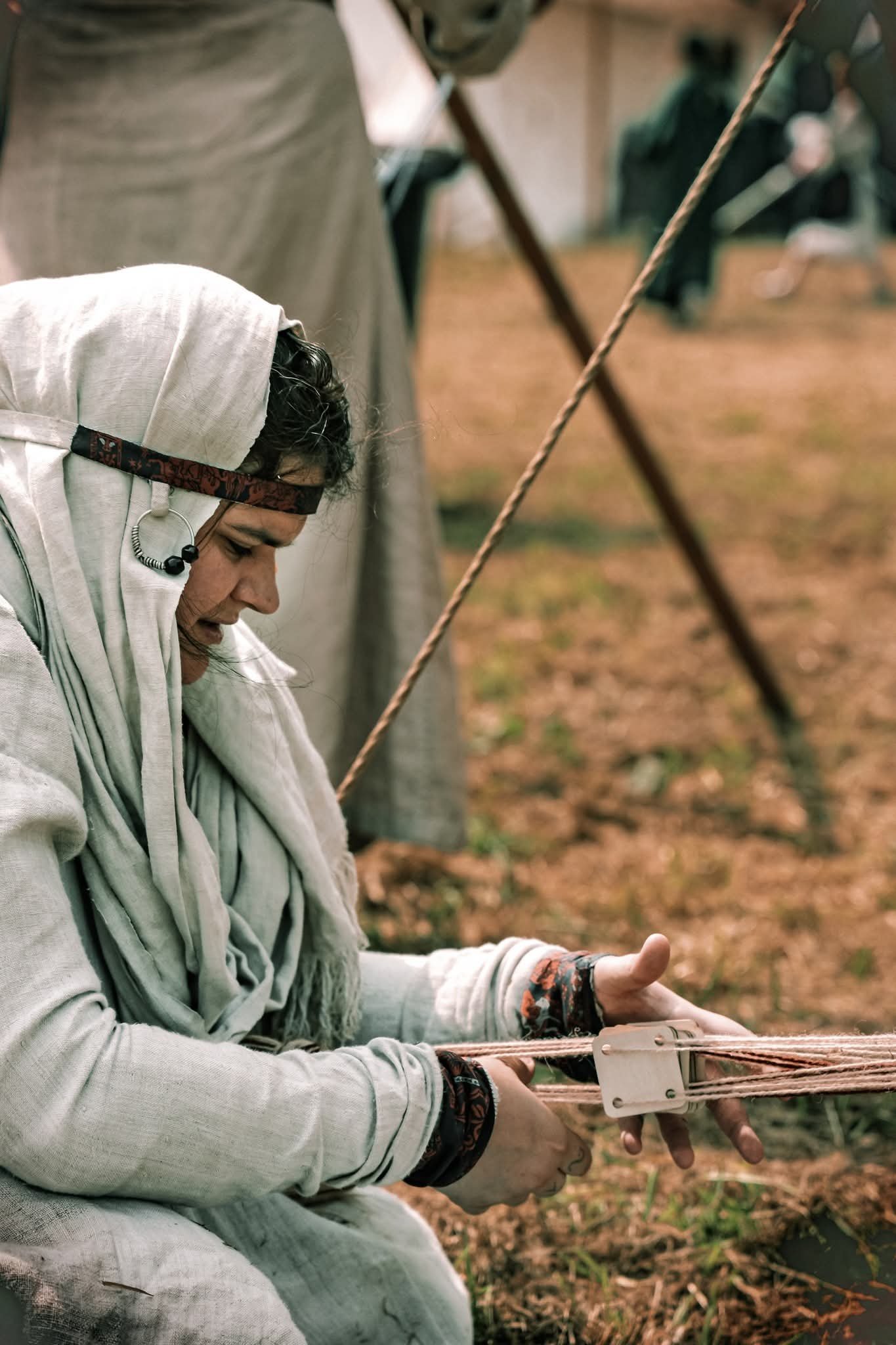
Agafia of Novgorod
EXARC member Agata Prus, know with her historical name af Agafia of Novgorod, has been working at the intersection of experimental archaeology, textile reconstruction and living history.
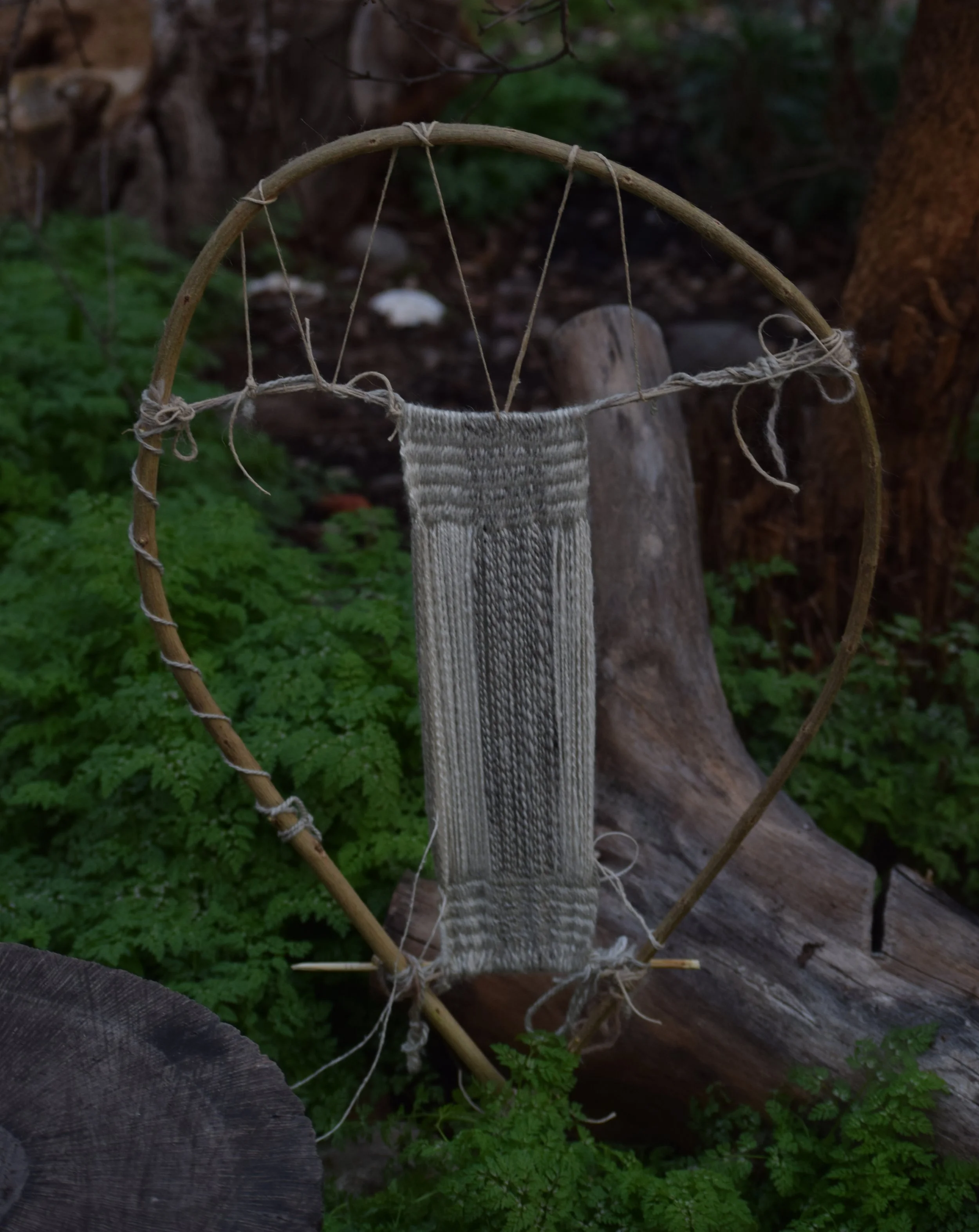
Arachne: Spinners of Time
Arachne. Spinners of Time (Aracne. Hilanderas del Tiempo) is a project that was born by chance when two people (Maria and Teresa) discovered that they shared the same interests in traditional textile techniques, prehistory and experimentation.
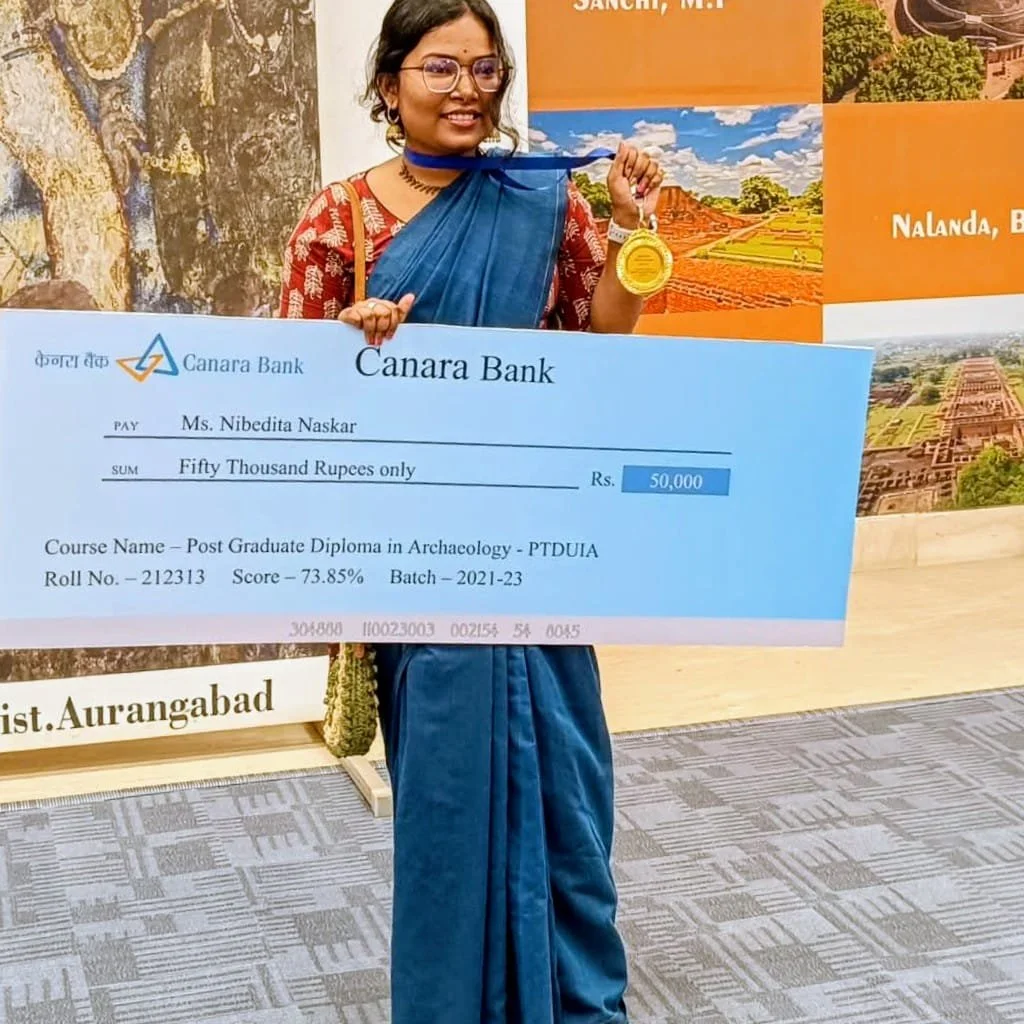
Exploring Bone Tool Technology through Experimental Archaeology: My Journey as a Young Researcher from India
Hello everyone in the EXARC community, I am Nibedita Naskar, a PhD student in Archaeozoology at Deccan College, Pune, India. I am sharing this short post to connect, learn, and hopefully grow through the vibrant experimental archaeology network that EXARC offers.
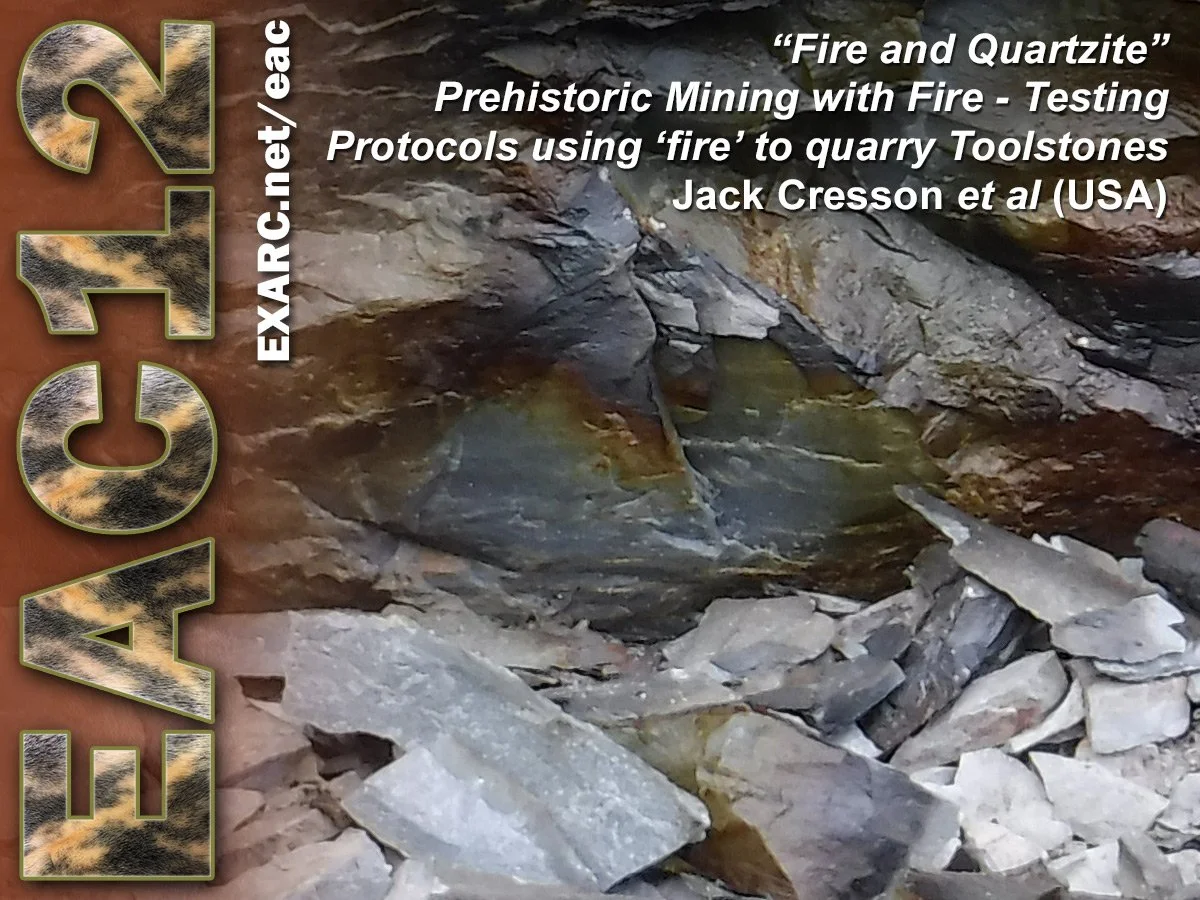
Prehistoric Mining with Fire
This experimental research has been ongoing for decades but has gained traction through recent studies of prehistoric quarries in Quebec, Vermont, Massachusetts, Maryland, and Pennsylvania. These sites have revealed clear evidence for the use of fire in breaking down toolstone, with similar findings documented across the Eastern Woodlands in a variety of materials.
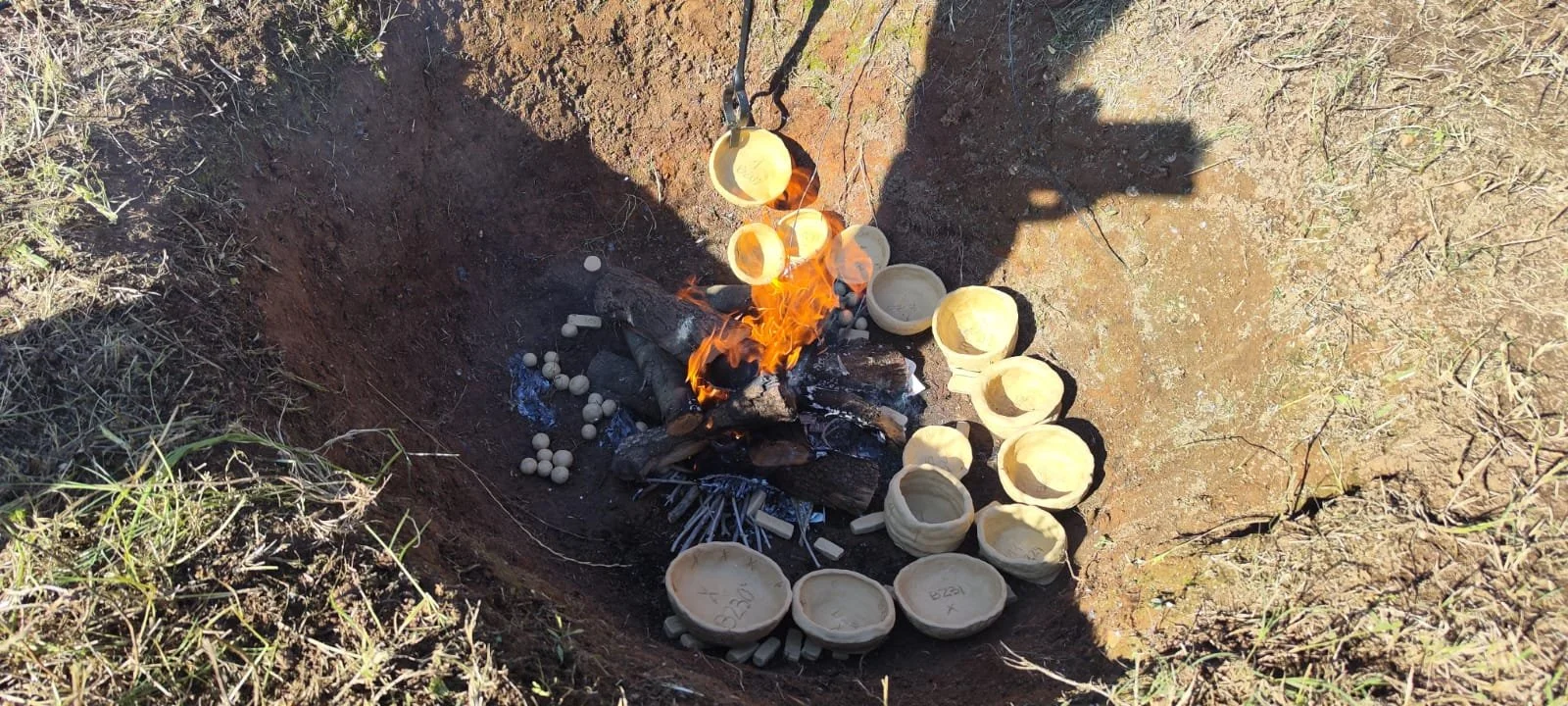
Experimental Firing of Pottery under a Reducing Atmosphere within the ARTIFACTA Project
What can we learn from firing ceramics the prehistoric way? Within the ARTIFACTA project, a recent experiment conducted at the Santa Margarida archaeological site (Barcelona, Spain) explored the controlled firing of hand-made pottery under reducing conditions using local materials and semi-subterranean structures.
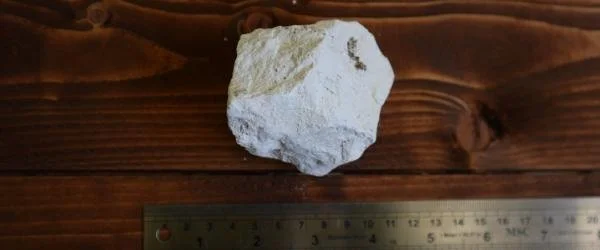
Designing Experimental Design: From Proposal to Experimentation
Experimental design is part of the process of performing experimental archaeology, and every experiment will require a tailored approach. This can be the primary focus of the experiment, in terms of exploration, or can be an accessory for addressing a later step in the experimental process.
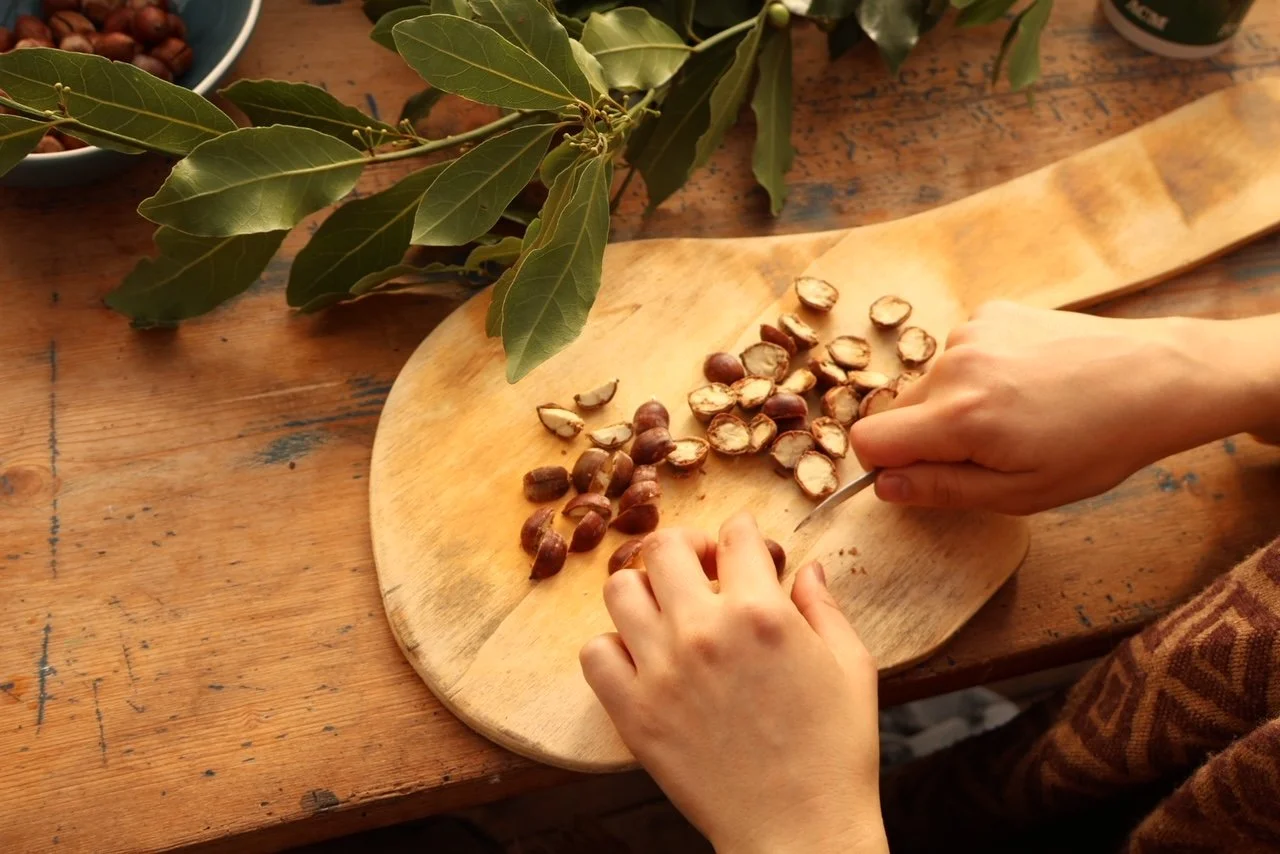
The Wild Biome Project
Hi, my name is Ilse Donker and I’m a forager, community builder and history nerd. I'm one of those hopelessly romantic people that is inspired by the hunter gatherers of the Stone Age. For me, it has been a pathway that has led me to discover how I can live my life in a way that hopefully leaves a good impact on the earth.
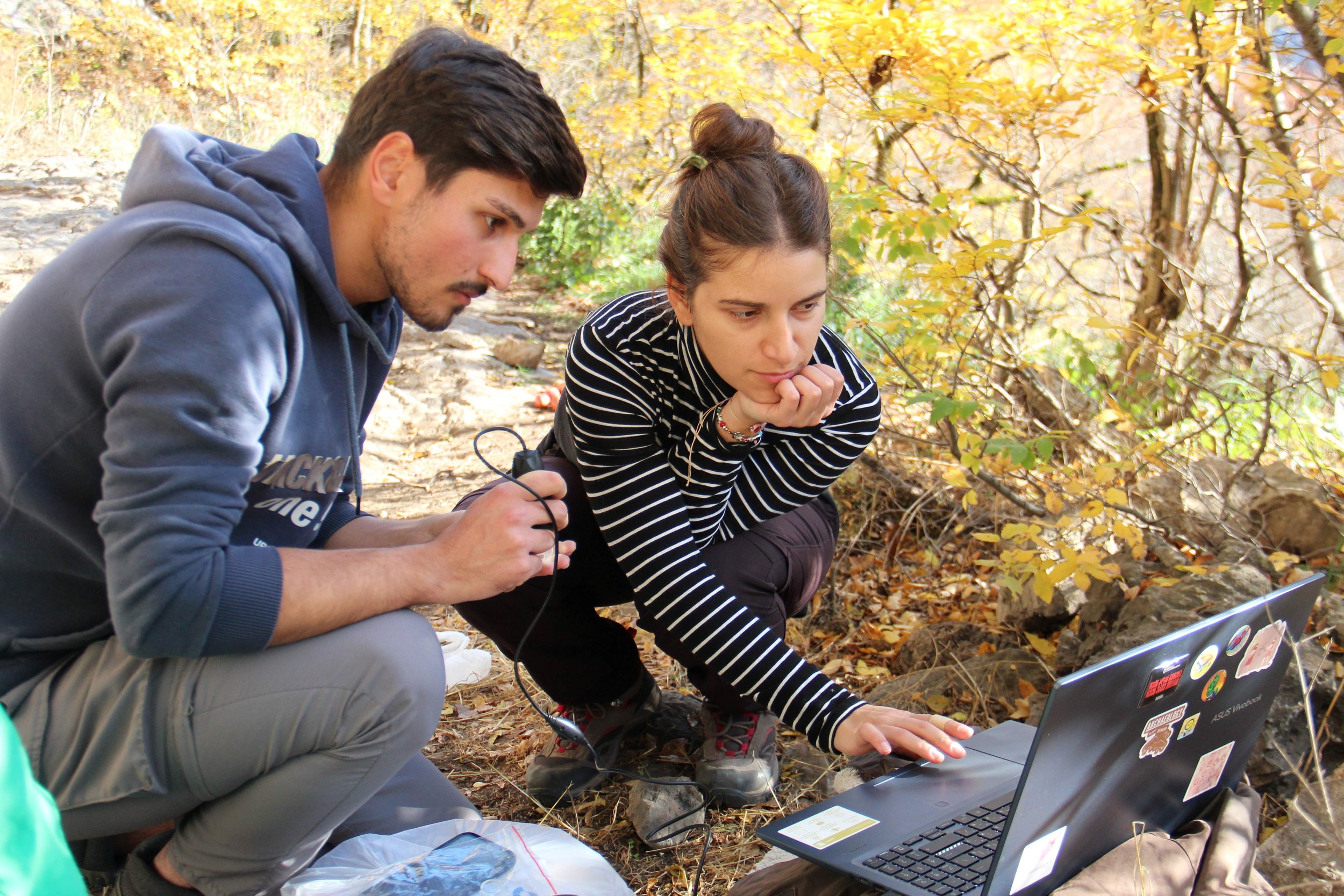
Art or Utility? Exploring the Mystery of the Mghvimevi Petroglyphs
The Mghvimevi engravings are the most ancient rock art discovered in Georgia, dating back to the Upper Paleolithic. They were first discovered by archaeologist S. Zamyatnyn in 1934. However, misinterpretations in the scientific literature later led to the petroglyphs being considered lost or destroyed. In 2022, they were rediscovered by the authors of this blog.
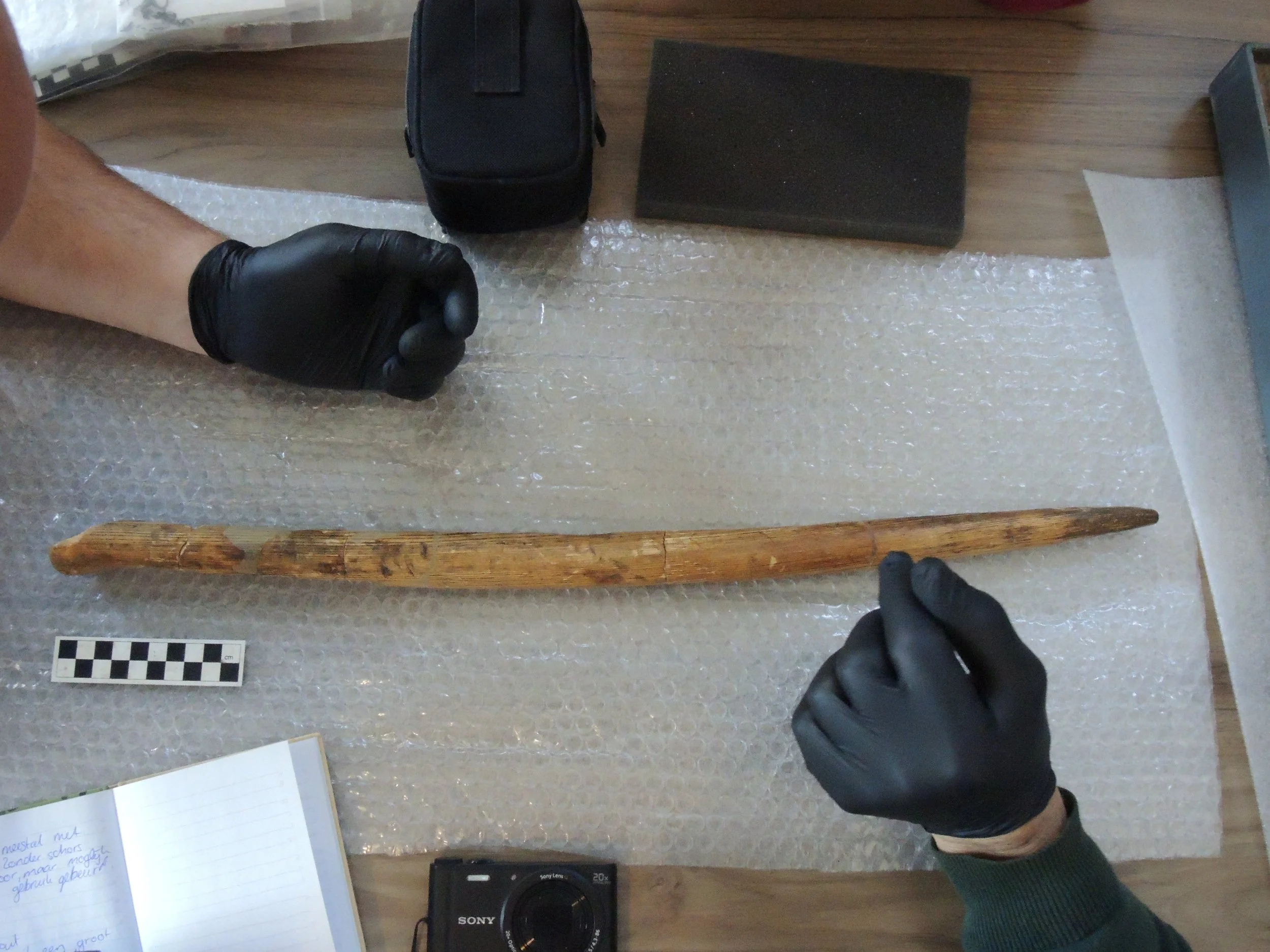
A Digging Stick…Really? Reassessing an Artefact from Vlaardingen
Even though the Vlaardingen people inhabited a wetland landscape, well preserved wooden artefacts are a rare find. One of these exceptions to the general rule is a wooden object on display at the Vlaardingen Museum. The card in the exhibition states that this is a digging stick, a plausible interpretation of this object…
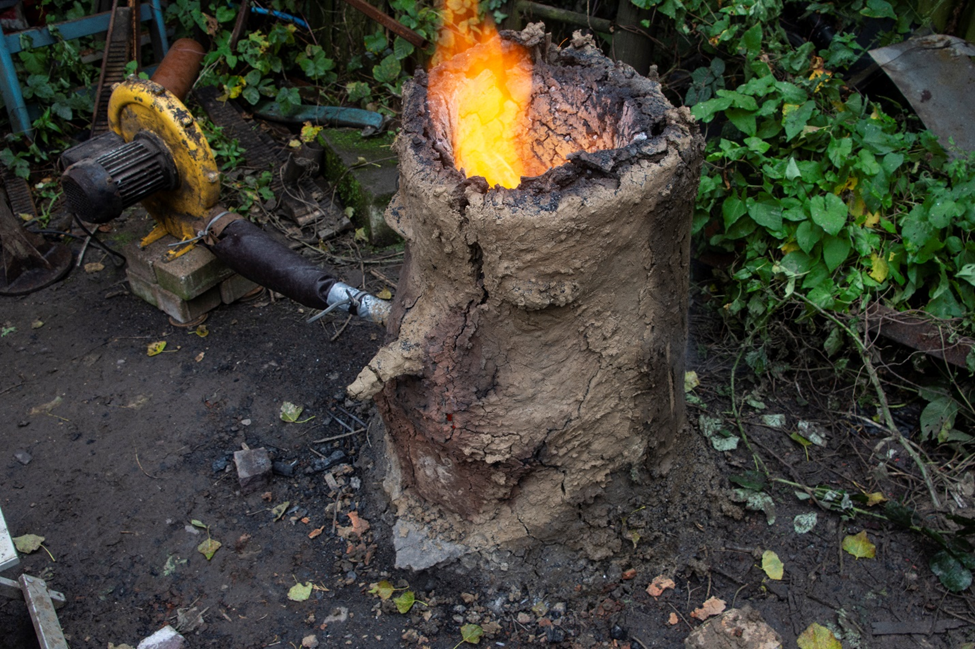
Does It Smelt? Re-Smelting Iron Scraps in a Shaft Furnace
My colleague, Dr. Zech Jinks-Fredrick, and myself, Chris Busuttil, decided to embark on a project of discovery. Our project was designed as a control experiment to determine the feasibility of re-smelting iron scrap in a prehistoric furnace. This topic has been widely debated within the British archaeological community, especially in conversations regarding the motives of hoarding iron objects.
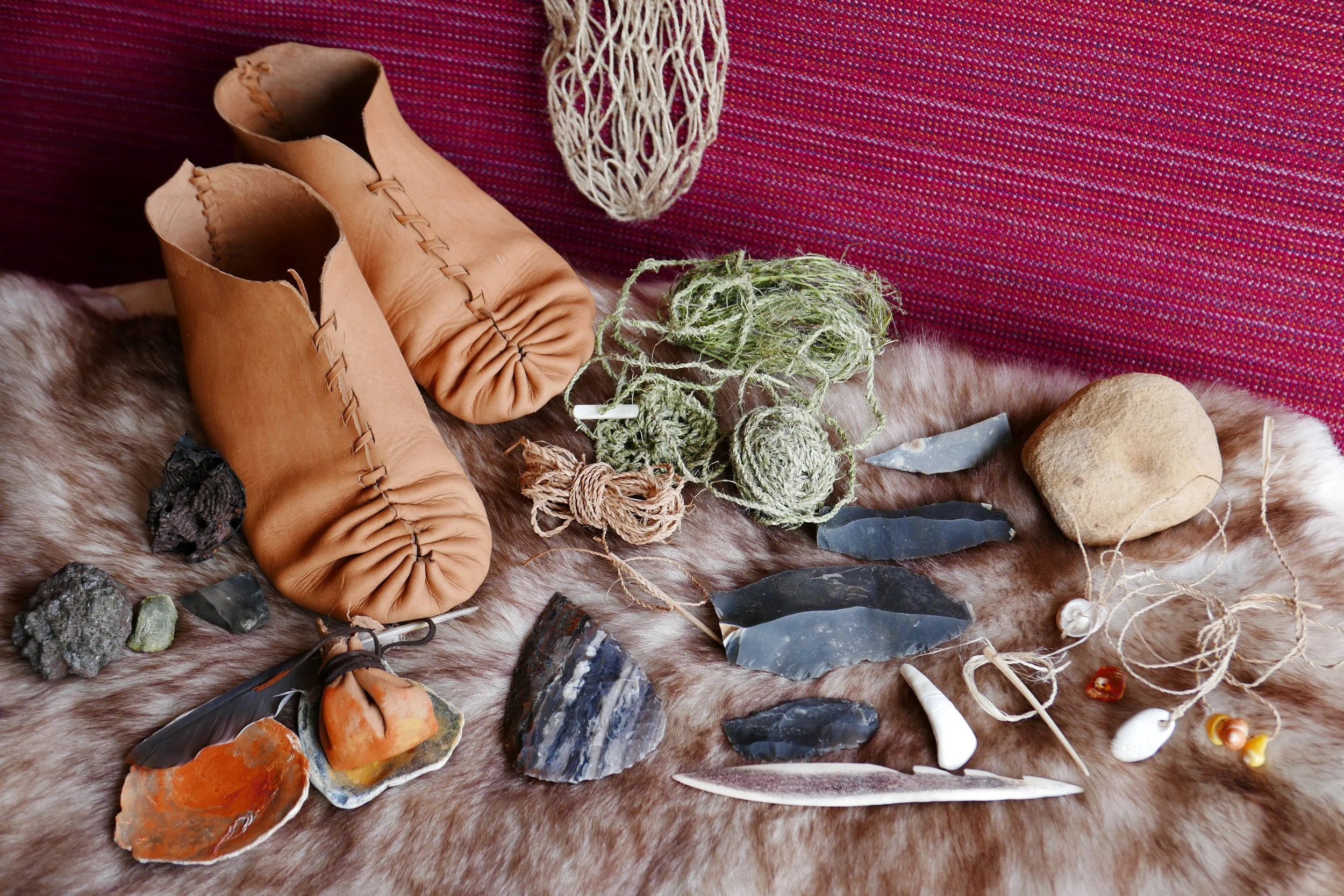
Illustrating Stone Age Life
I have been interested in prehistory for a long time and as an educator and a provider of school workshops decided it was time to combine these aspects and embark on a new project – a Stone Age workshop exploring life back then and the changes through the Palaeolithic to the Neolithic.
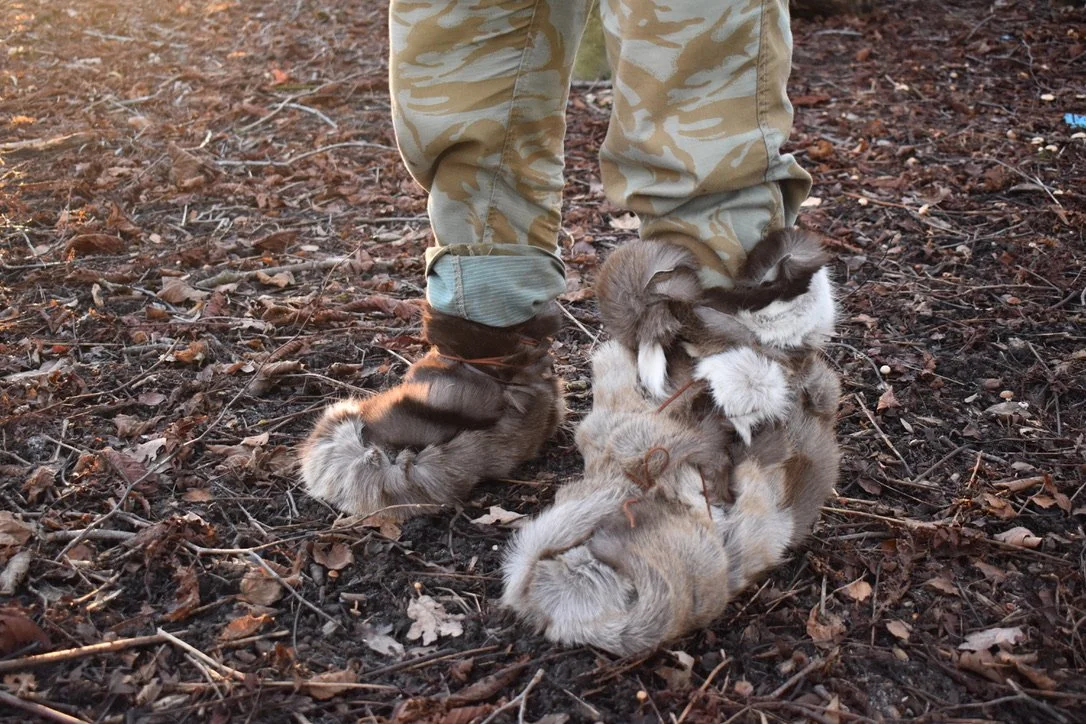
EXARC Award Project Update: Neanderthal Footwear
Neanderthal clothing is something that’s being discussed more and more by archaeologists at the moment, with people now generally agreeing that clothing was needed by many of these early people to survive the often-harsh environmental conditions at the time. Unfortunately, we don’t have much evidence to tell us what this clothing might have looked like – with most clothing likely made of organic material such as animal skins, it has long disappeared.