
Beyond the Bonnet: Interpreting the Lives of Historical Women
Blog by Laura Rocklyn
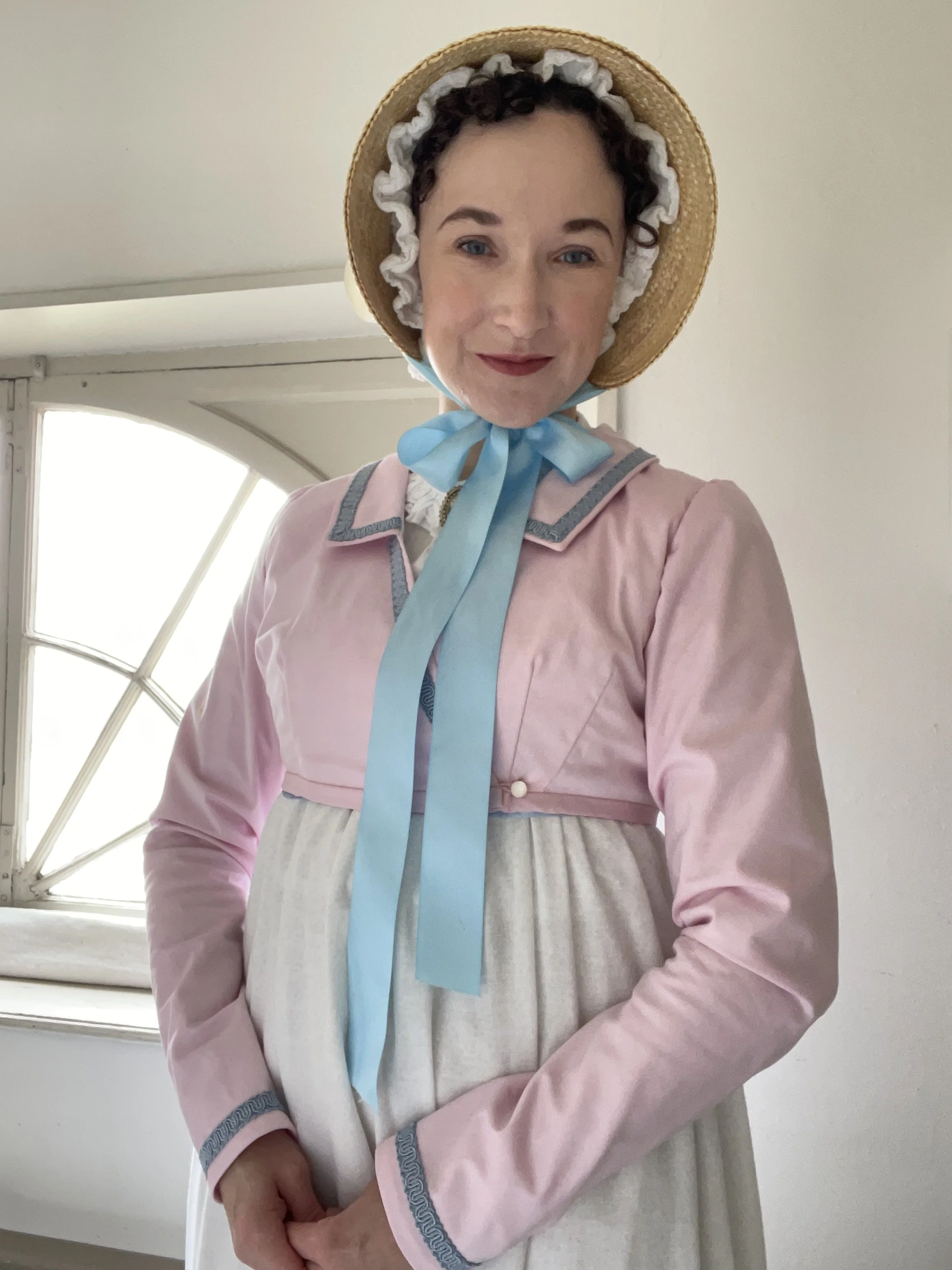
Laura Rocklyn
The past has always felt present to me, but the history that captivated me as a child was not the dates and events presented in textbook timelines. It was stories that drew my attention to the past — the stories of individuals who were caught up in grand historical events.
I was fortunate to have the opportunity to intern at Colonial Williamsburg between my junior and senior years of university. Fascinated by their complete immersion in the historical characters they portrayed, I closely watched the way the Character Interpreters researched and worked with the public. That was where I caught my first glimpse of a way that I could pull my love of theatre, my love of literature, and my love of history into a career.
When I left Williamsburg at the end of the summer, I carried with me a desire to understand and share historical stories in the personal and profound way that those talented and dedicated Character Interpreters did. I could see their impact on visitors. Particularly memorable to me was the excitement of children as they saw events that may have confused them in a hasty overview in history class, brought to clear life by historical figures standing in front of them. Young audience members engaged differently with ideas, such as the Stamp Act and the spurning of tea, when they heard about them from real people telling personal stories to which they could relate, and who encouraged them to ask questions.
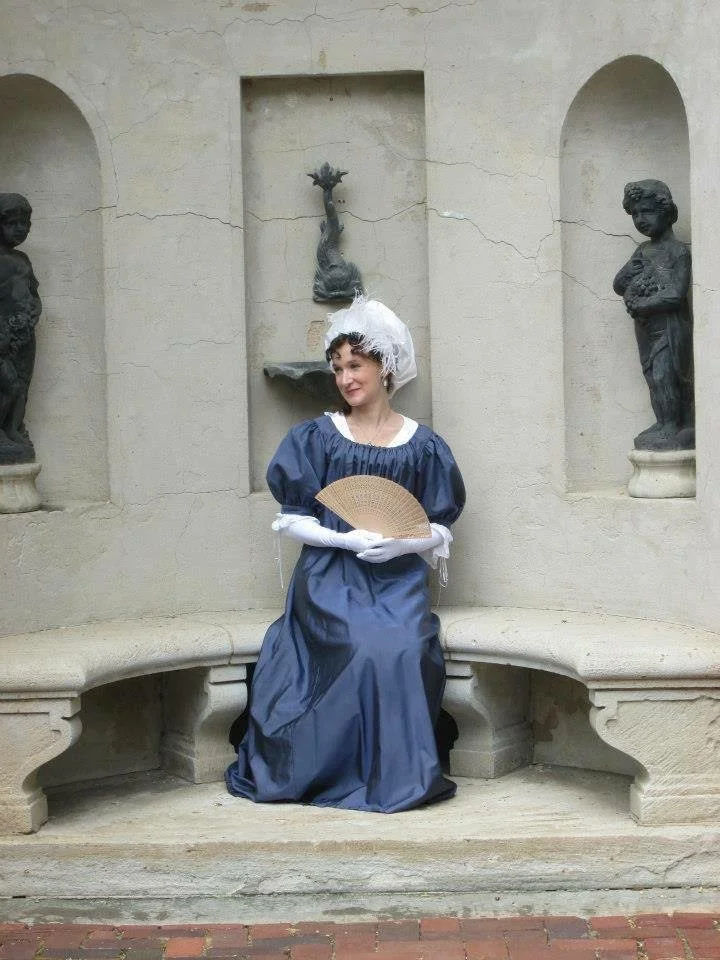
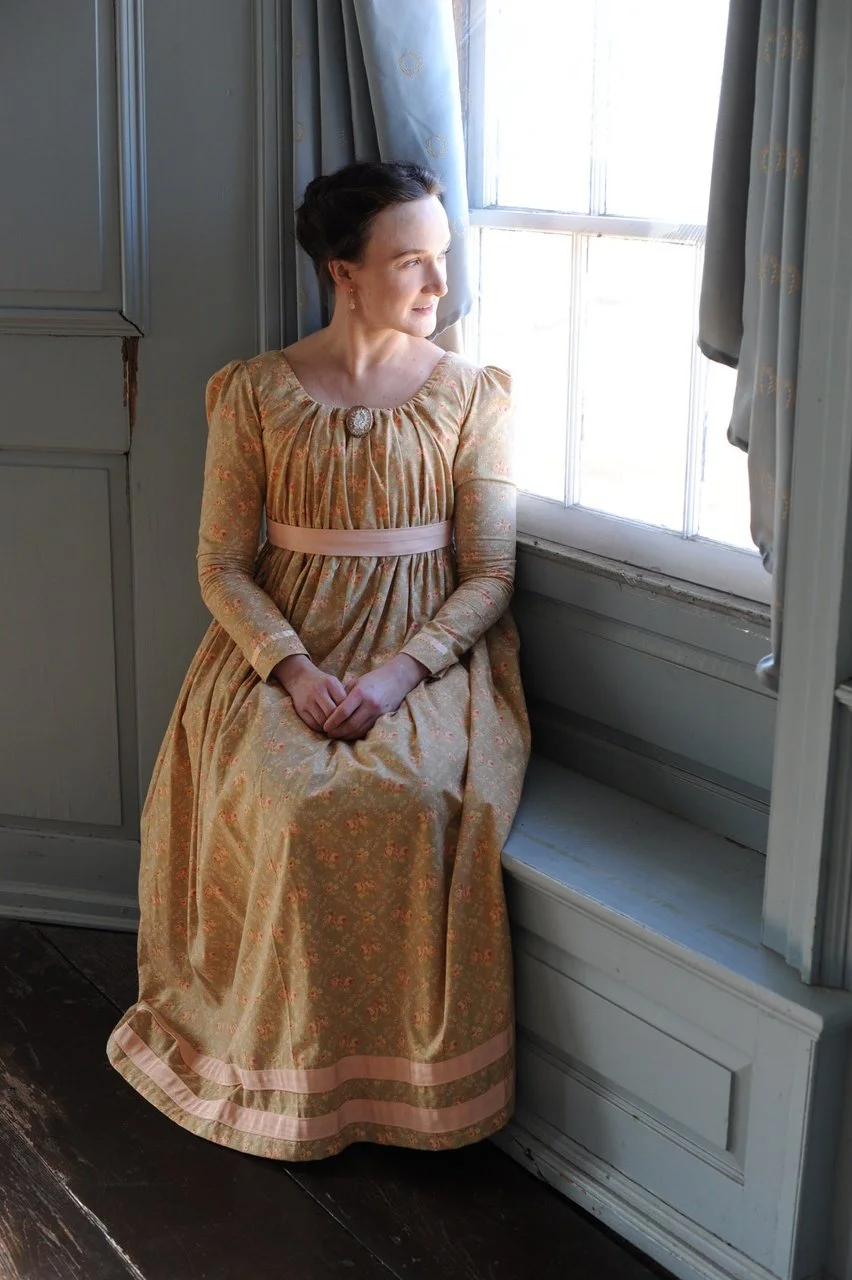
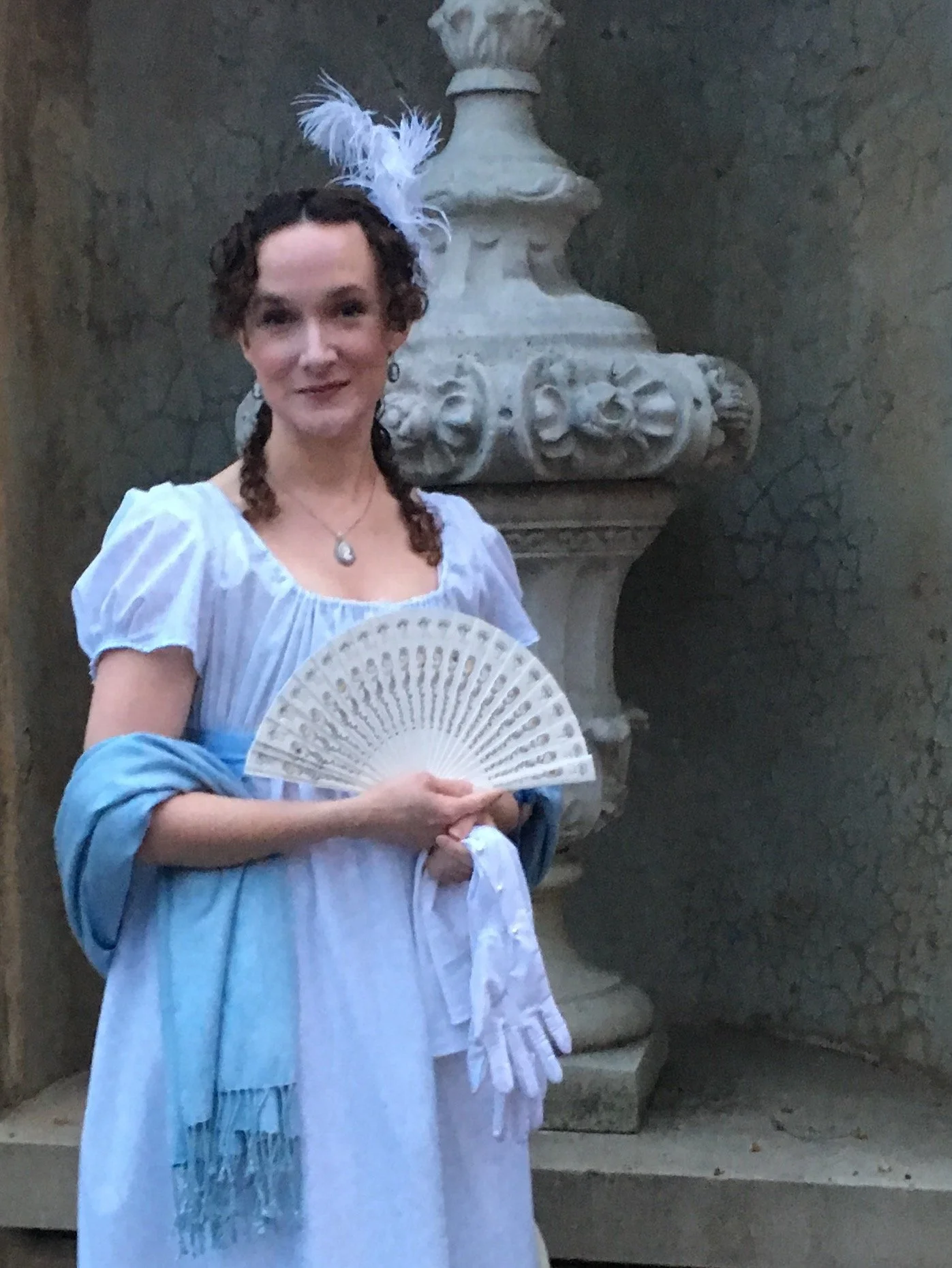
When I left college with a BA in Theatre and English Literature, I began developing my own historical character portrayals, starting with Jane Austen and Charlotte Brontë, the nineteenth century novelists on whom I focused in my undergraduate work. As time went on, I expanded my repertoire of historical character portrayals to include women such as United States first lady Louisa Catherine Adams and savvy socialite Elizabeth Patterson Bonaparte, who I discovered through research for my various jobs at museums.
The portrayals I create are developed through immersion in primary source material. I begin by reading documents such as letters, diaries, and newspapers; then I go on to experience paintings of my subject and her friends, extant items of clothing or jewelry, and personal items like a writing desk or parasol. I learn so much from seeing how a person chose to be dressed or posed in a portrait, seeing what her clothes looked like and how they were constructed, or seeing how carefully she looked after her writing desk (or didn’t). This knowledge of the physical items surrounding my character is also necessary because it enables me to design the costumes and props that I use in my performances.
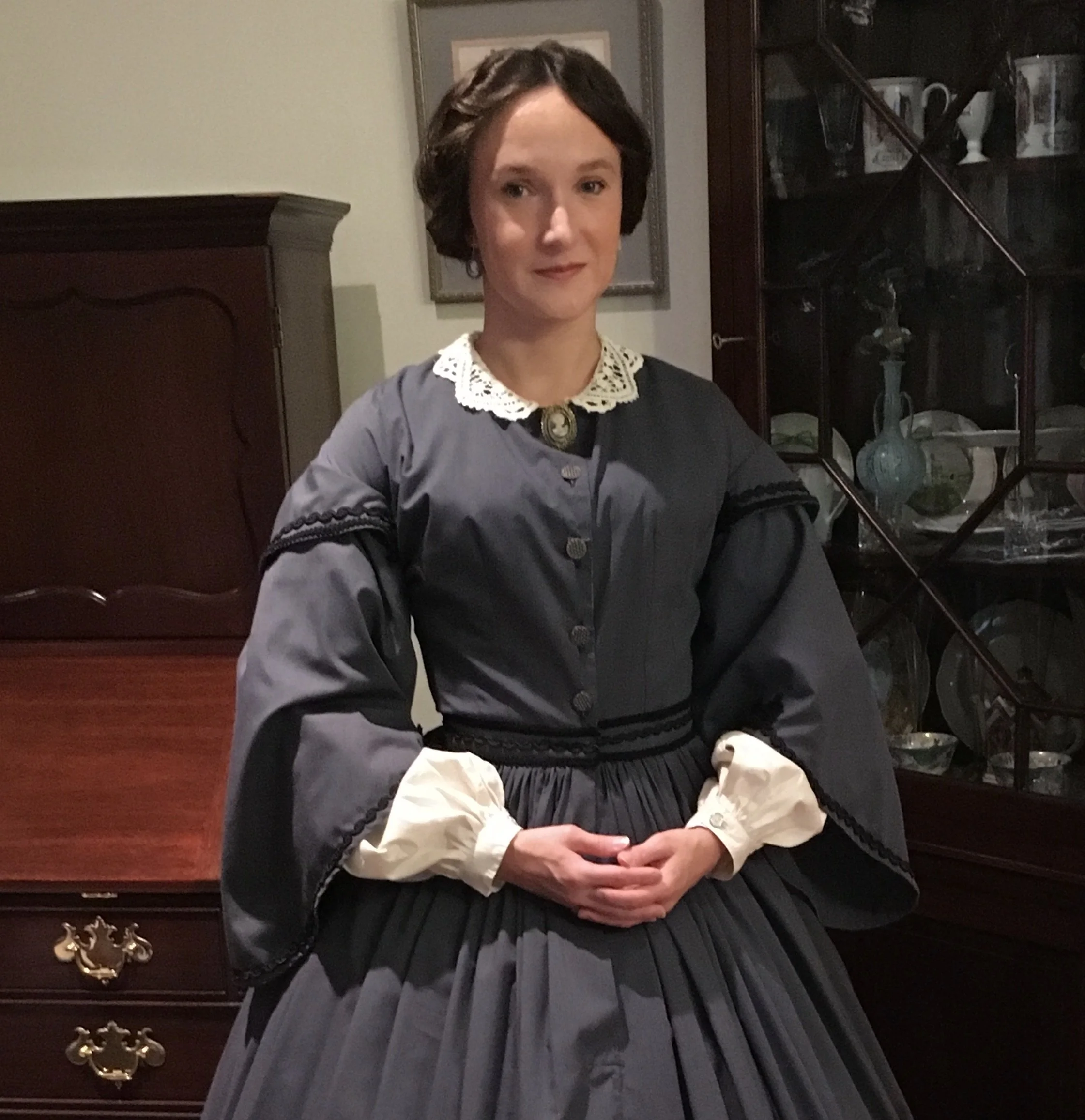
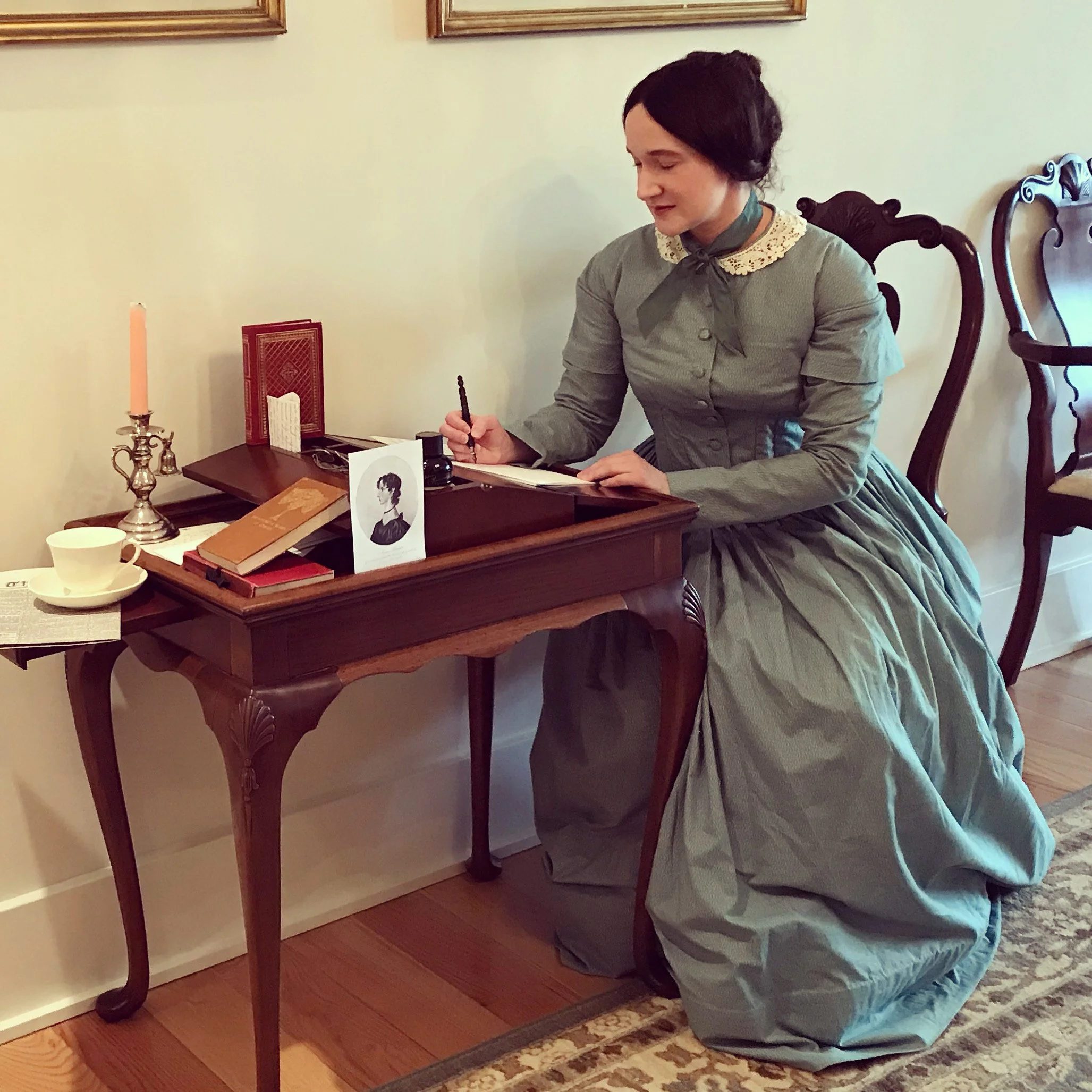
As my freelance living history programs have become better known through word of mouth and through social media, institutions have begun to commission me to create specific presentations for them, so that I now offer portrayals that range from my early passion projects, to portrayals of famous women such as first ladies Abigail Adams and Dolley Madison, through to lesser known, but equally fascinating, women such as abolitionist Maria Weston Chapman and (in)famous medium Mina “Margery” Crandon.
I find that starting work on a new historical figure helps to keep me from becoming complacent and resting on the laurels of a play I have successfully performed for years — a state of mind which is the kiss of death to a dynamic performance. With every new program I write, I learn new things about research, portrayals, and crafting a one-woman play that I apply to my older scripts. New projects remind me that, although I may have spent years studying a character, there is always more that I can learn about them. I can, and should, continue to push myself harder with each new portrayal, to research more and craft an even more immersive script. Over the years, I have gone back and gotten MFAs in Classical Acting and in Creative Writing to hone my craft, and I am currently pursuing a PhD in Eighteenth Century Studies to deepen my understanding of the history I strive to bring to life.
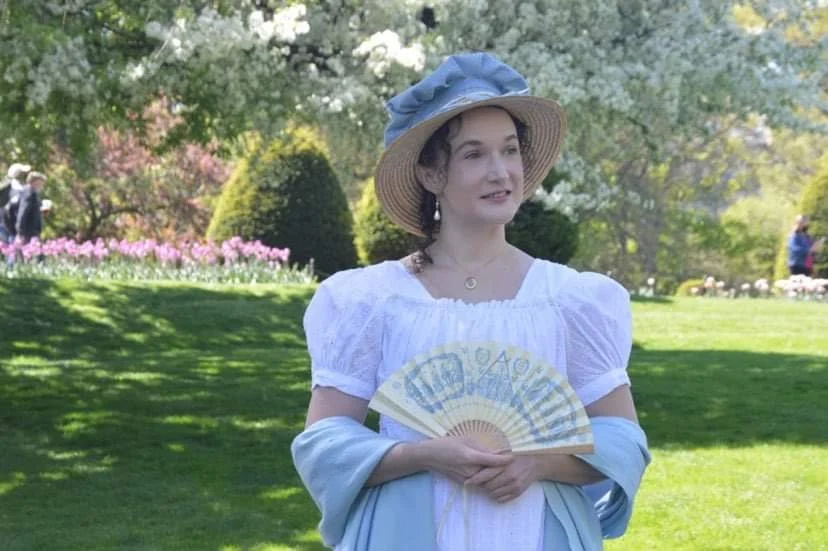
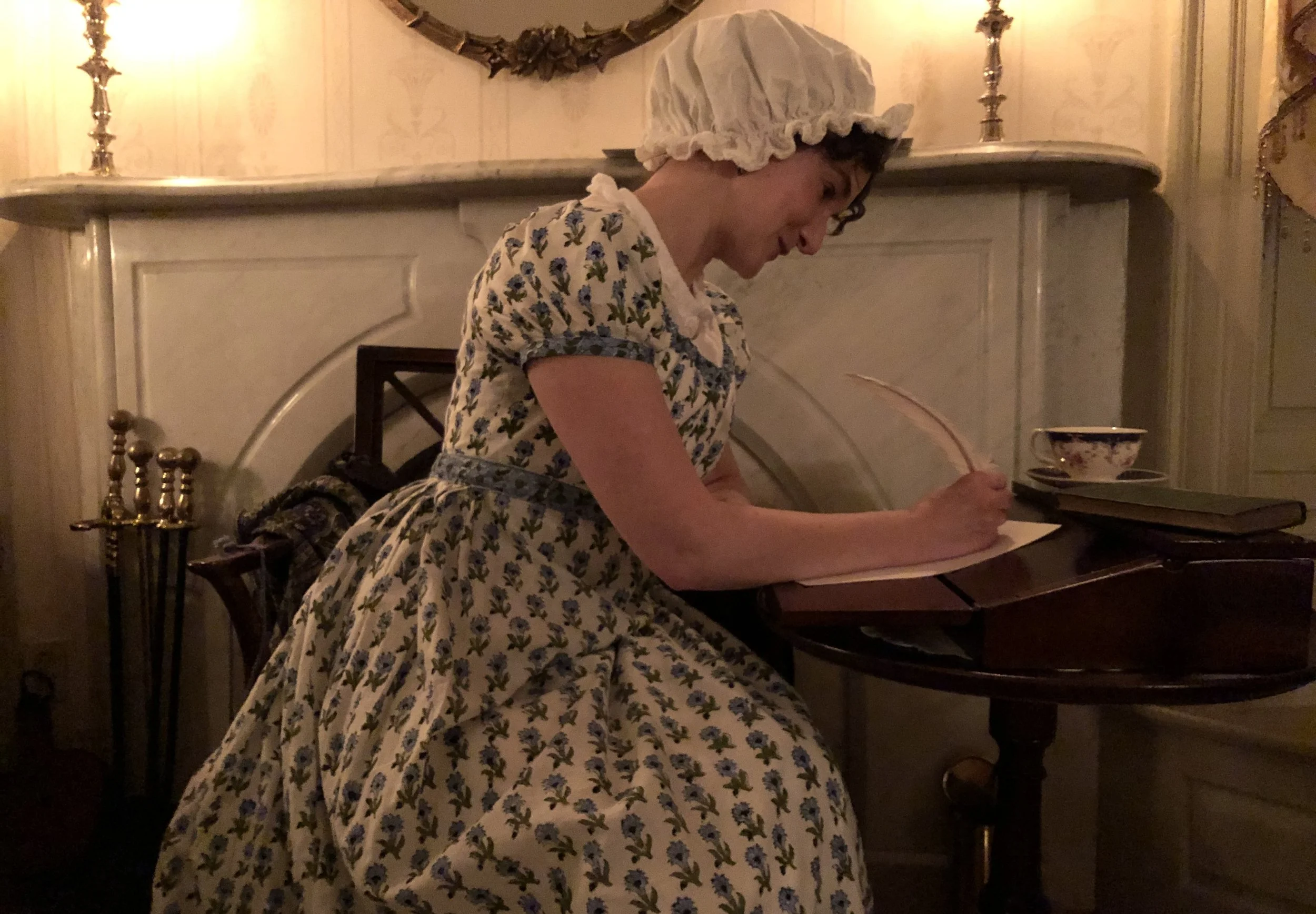
I currently have eight portrayals in my rotation, but as different historical anniversaries arise, different characters prove more and less popular for events at museums. With 2025 being the 250th anniversary of Jane Austen’s birth, I found that I was portraying Jane Austen most frequently. This year, however, with the 250th anniversary of the American Revolution, I am most often asked to share my Abigail Adams program. This coming July, I have an Abigail performance at a different museum on the East Coast almost every day for several weeks. I am excited to be a part of making her voice heard as part of the “Rev250” commemorations.
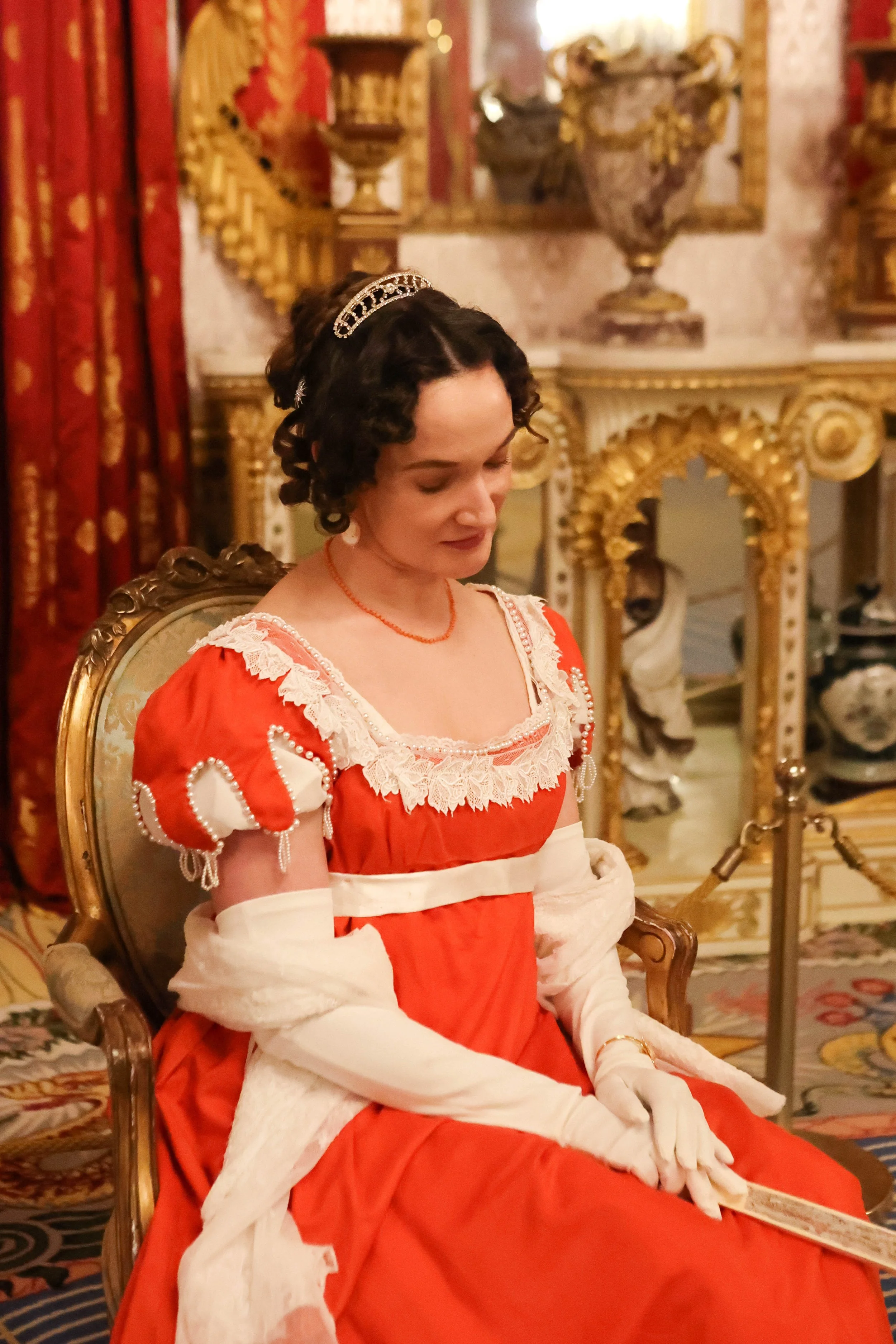
What is most important to me in the performances I develop is that I take the detailed primary source research I have done and create an engaging performance that will illuminate a moment in history for the audience. I have designed my programs with minimal requirements for a set so that the presentations can easily be toured to museums, libraries, and theatres around the country to share the stories of these historical women with the widest audience possible.
It is exhilarating to experience the way different historical settings create different experiences for an audience, especially when I am given the opportunity to perform in a location that the historic character I am portraying knew or lived in. Portraying Abigail Adams at one of the Historic New England properties at which she spent time, or portraying Maria Weston Chapman at a location in her hometown of Weymouth, MA, adds a new layer of authenticity and immersion for me and for the audience.
The goal of my historic character portrayals is for the audience to leave the performance having been encouraged to examine the past in a new way, and to think about how it may inform the present.
All the photos are from the author.
Blog by Laura Rocklyn