KIERNAN EXPERIMENTAL ARCHAEOLOGY AWARD
EXARC is dedicated to promoting experimental archaeology as a recognized scientific research method and supporting the professional development of practitioners worldwide. Through our international network of over 400 members, we facilitate collaboration and provide access to a wide range of materials, resources, and expertise.
The Kiernan Experimental Archaeology Award, generously sponsored by EXARC member John Kiernan, is designed to help researchers overcome financial barriers. We understand that even the most promising projects may face funding challenges. To support innovation and creativity in the field, the award offers micro-grants of €500 to up to two experimental archaeology projects each year, providing the resources needed to bring new ideas to life.
Applications for the 2026 Kiernan Experimental Archaeology Award are now Closed
-
Applications for the 2026 Kiernan Experimental Archaeology Award are now Closed -
Application Requirements and Evaluation
Eligibility guidelines:
Projects are welcomed from any country and any applicant, but the projects should meet the eligibility guidelines outlined below:
The theme of your project must be focused on experimental archaeology.
You will state in all publications and presentations that this project is supported by EXARC.
You are an EXARC member or will join EXARC as a member when you accept the Award.
Recipients will write at least one blog post for publication on the EXARC website.
Recipients will write an article for the EXARC Journal (designated as the “reporting phase” below).
Statement on the use of AI
Any use of generative AI tools must be declared as part of your application, including how they were used (for example: synthesising thoughts, assisting with structure, checking grammar, keeping within the word count). Disclosing the assistance of generative AI will not disadvantage you in the application process. However, generated text should not form a substantive part of your application.
Marking criteria
Successful projects are chosen by a jury (see below), who reserve the right to reject any projects that they feel do not meet the criteria outlined below. In the case of only one or no projects being chosen, a second round will be opened in the autumn.
The project must have a title.
The research scope must be clearly stated, including the regional, cultural, and temporal focus of the project, clear methodological plans, and what this research will contribute to this field of scope.
Applicants should also demonstrate knowledge of other research conducted in this area, and show how their project will impact the existing knowledge base.
The budget and costs must be clearly defined and the intended use of the Kiernan Experimental Archaeology Award accounted for, stating any other grants received and which costs will not be covered by the Kiernan Award.
The timeline of the project must be clearly defined, and if the Kiernan Experimental Archaeology Award is only intended to cover one part of a longer-term project, this should also be clearly mentioned.
The expected outcome should be stated, as well as how the impact of the project will be communicated before, during, and after the project dates, and what it will contribute to the field of experimental archaeology.
If you have any questions about your application, please contact a.ibsen@exarc.net. Please refrain from contacting any of the jury members until after the decision date.
What to include:
Applications for the grant should include the following:
A file with your personal contact details and a CV (max. 3 pages)
A file with a short description (200 – 750 words, no images) of the project, making sure to include all of the information outlined in the marking criteria below.
Please send your applications to a.ibsen@exarc.net
Timeline:
Call Opens: 30 April 2026
Call Closes: 30 June 2026
Decision: 31 July 2026
Project start: before 1 October 2026
Planning Phase: Max. 3 months
Execution of the Experiment: Max. 6 months
Reporting Phase: Max. 3 months
Project end: 12 months after project’s start
Jury Members
-
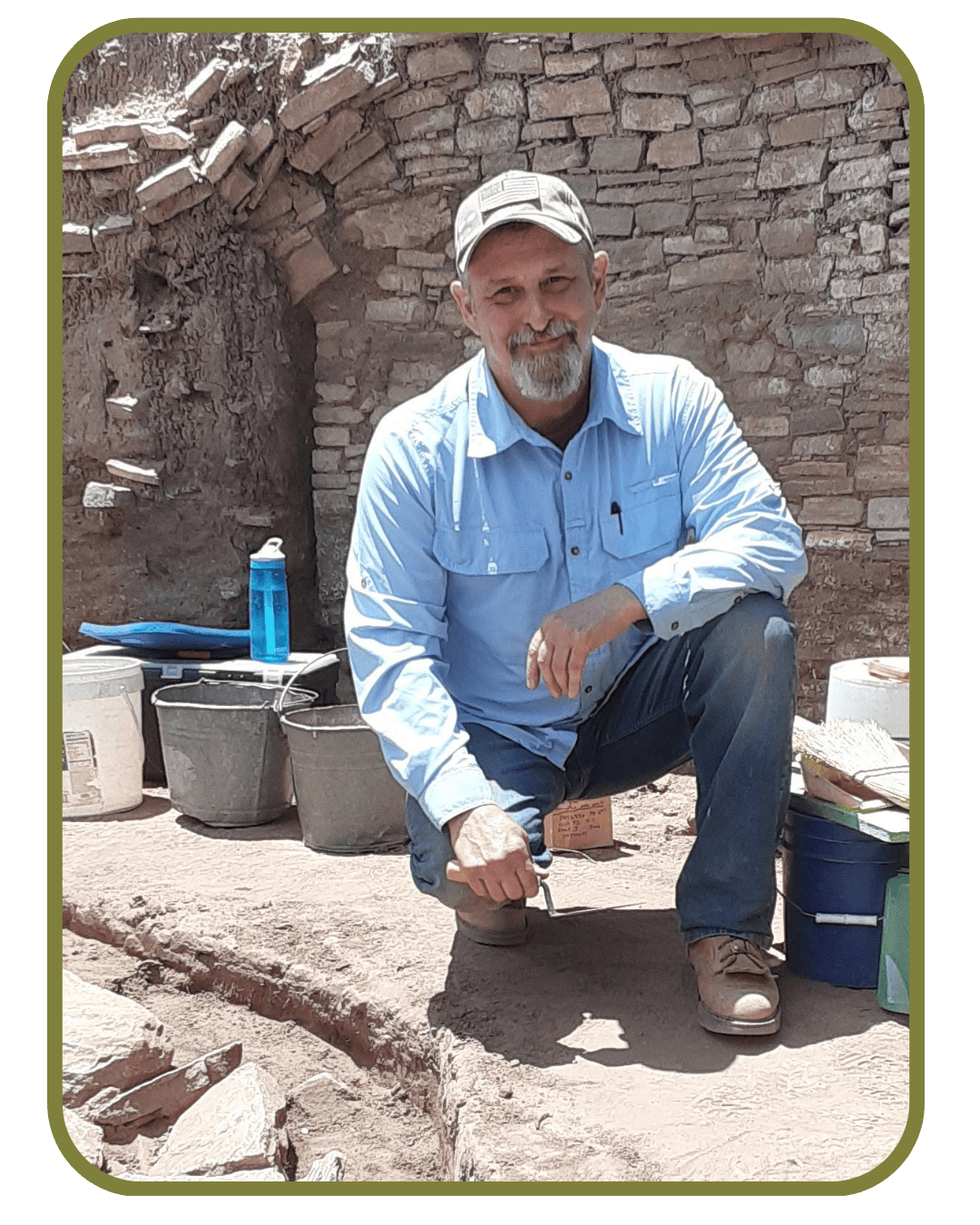
John W. Kiernan
Educated on the High Plains of Eastern Colorado and Western Nebraska, he developed a lifelong dedication to archaeology, with a particular focus on flaked stone tools. Following a distinguished 24-year career in the United States Air Force, he pursued advanced studies at the University of Exeter, earning a Master’s degree in Experimental Archaeology with Distinction. He has since served as an international consultant on lithic technologies, contributed to excavations in Wyoming and Colorado, and engaged in academic teaching and lecturing, including collaborations with the University of São Paulo, Brazil. His scholarly interests further encompass weapons development through the Viking Age, early metallurgy and forging, as well as the peopling of the Americas. He currently resides in Texas, near the military base from which he retired.
-
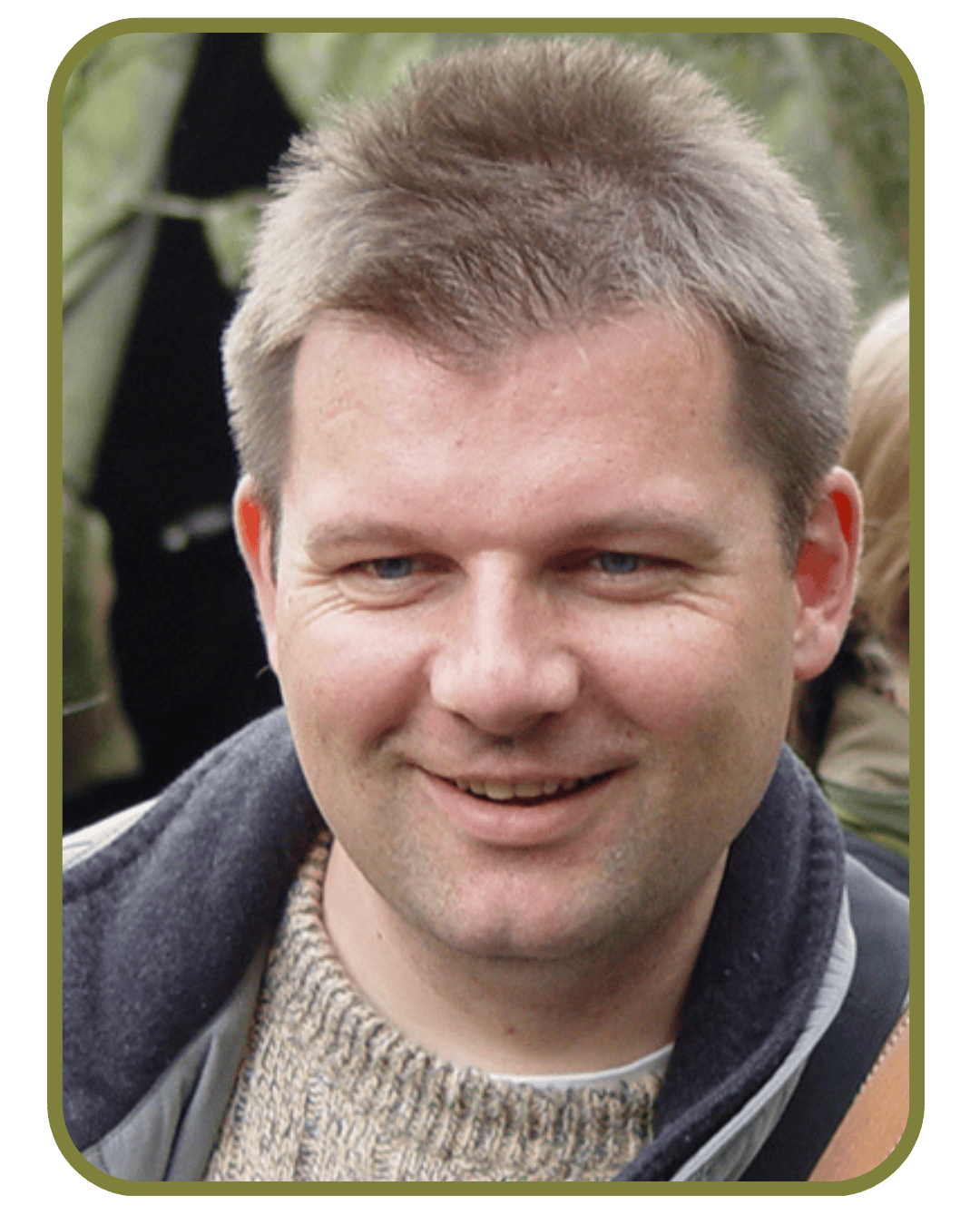
Dr Roeland Paardekooper
He possesses extensive experience in the field of open-air museums, having earned an MA in the Netherlands and completed a PhD in the United Kingdom. As a co-founder of EXARC, he served as its director until 2023. Following his tenure at the Eindhoven Museum in the Netherlands, he directed both the Archäologisches Freilichtmuseum Oerlinghausen in Germany and the Middelaldercentret in Denmark. His participation in the EU project RETOLD—focused on documenting, digitizing, and sharing best practices in open-air museums—led him to Gotha, where he currently oversees the largest digitization project in the German museum sector.
-

Dr Tammy Hodgskiss
Dr Tammy Hodgskiss (married surname Reynard) is the Curator and Acting Head at the Origins Centre museum, University of the Witwatersrand, South Africa. Tammy is an archaeologist with a research focus on ochre and pigment use in Southern Africa during the Stone Ages. Her research incorporates experimental archaeological methods with emphasis on ochre processing methods, use-wear identification, paint manufacture and hafting adhesives. She is passionate about incorporating experimental archaeology experiences into science communication practices and public programming initiatives.
-
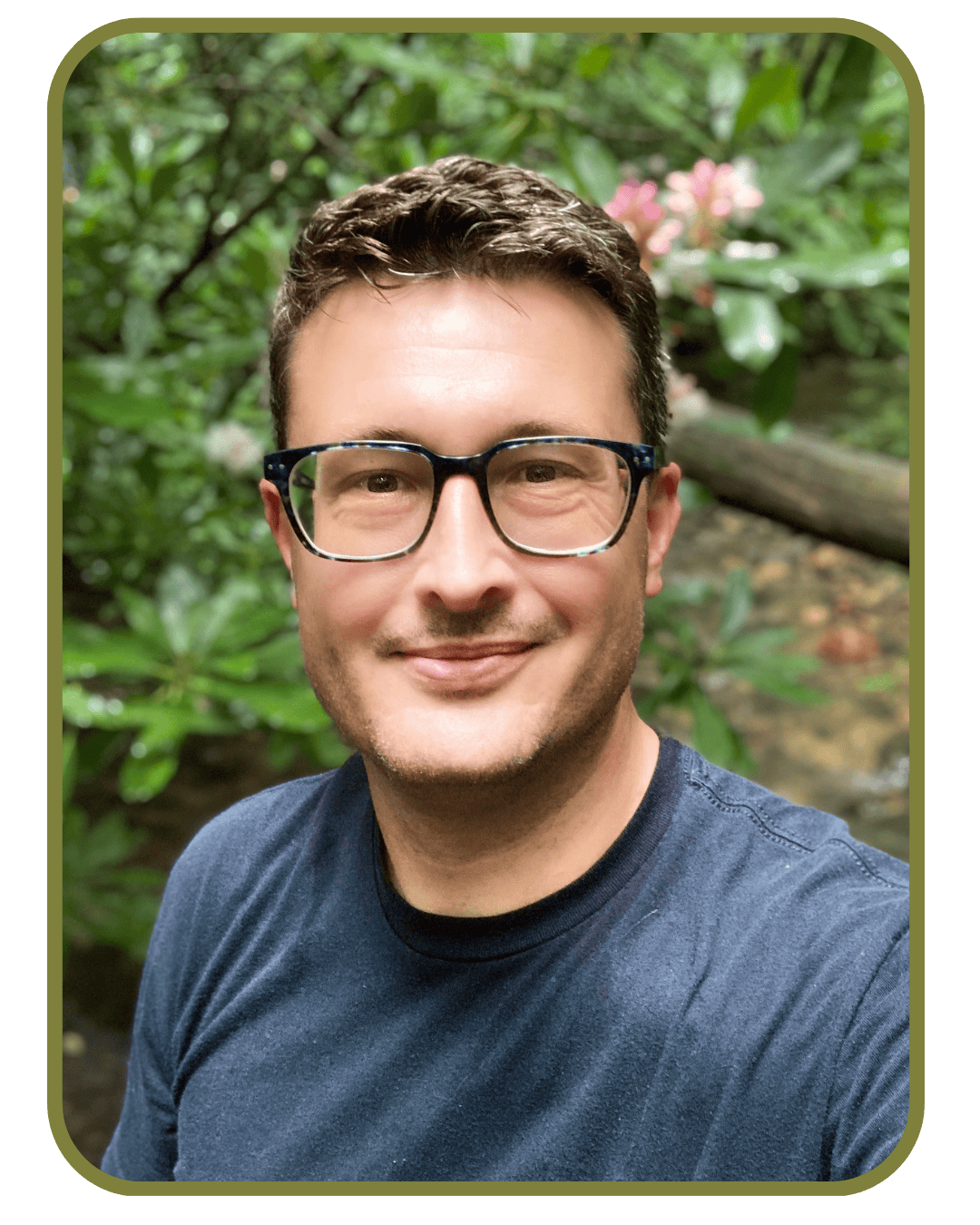
Dr Aaron Deter-Wolf
He is the Prehistoric Archaeologist for the Tennessee Division of Archaeology in Nashville, Tennessee. His work includes managing ancient Native American sites on state-owned lands, conducting archaeological excavations and research, and informing the public about Tennessee’s archaeological heritage. He is an expert in the archaeological footprint of tattooing, and his experimental studies since 2013 have focused primarily on tattooing technology, looking specifically at bone tool replication and use wear analysis.
-
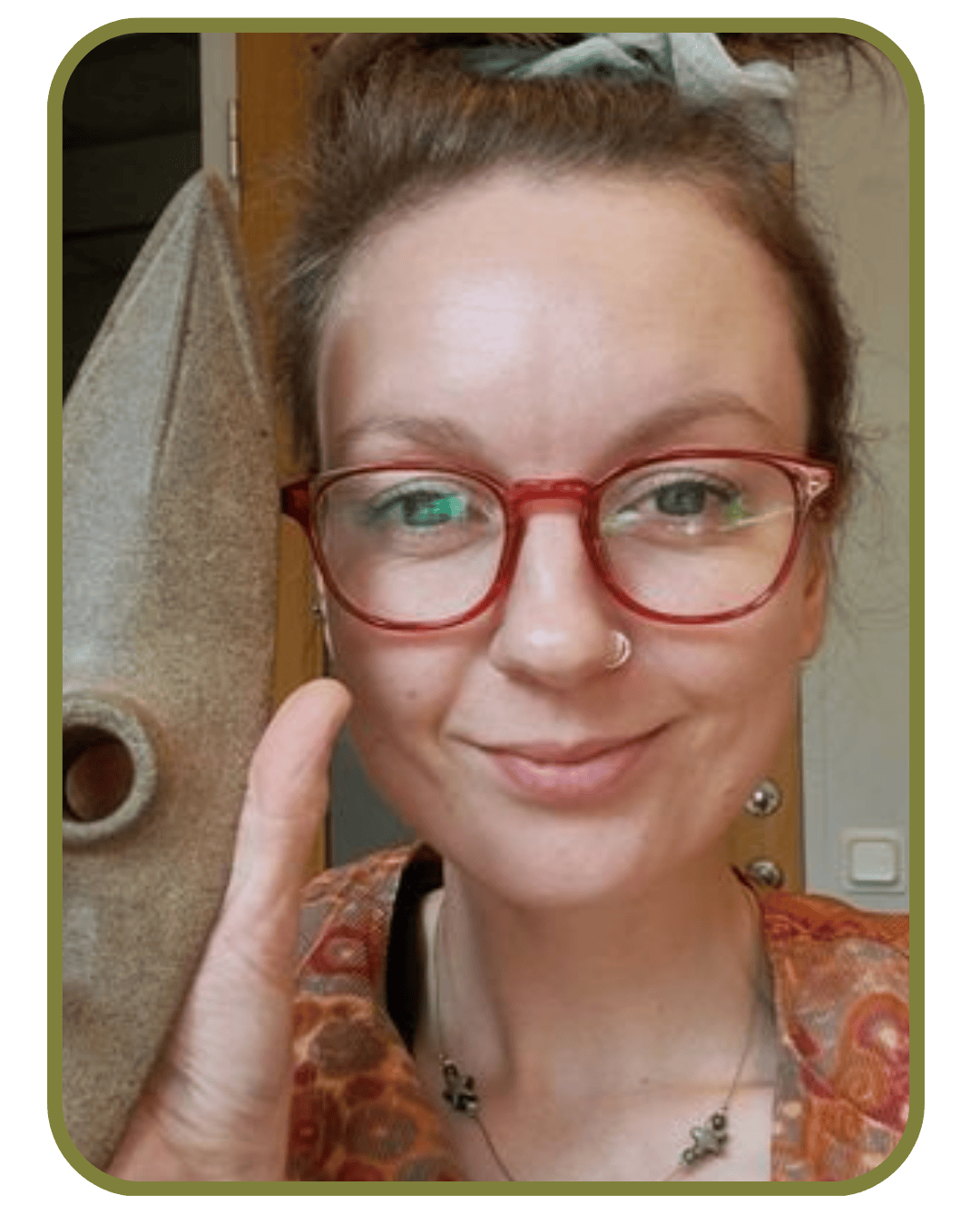
Dr Amber Roy
She is a use-wear analyst with specialisms in stone and experimental archaeology, where her research has focused on the experimental investigation of traces of manufacture and use on various materials. She is an expert in Northern and Western European prehistory and archaeological theory, and is interested in bringing together varied scientific and theoretical methods that are rarely applied together to study material culture.
Previous Winning Projects
-
![]()
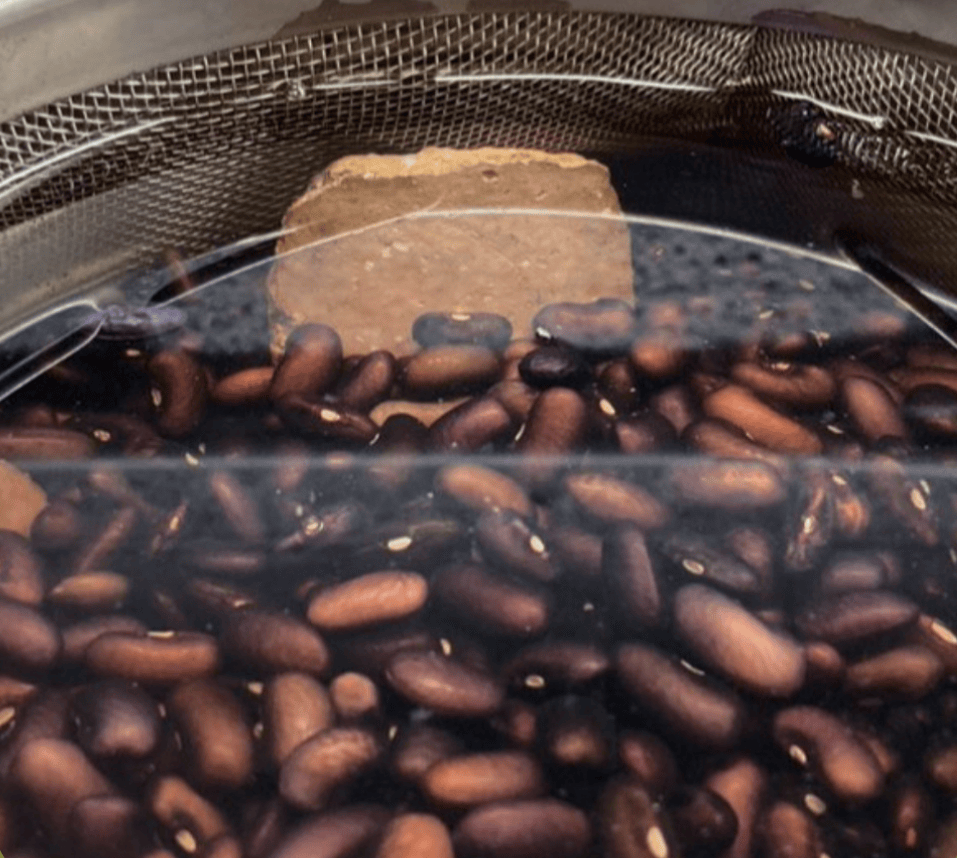
Have Beans, Will Travel
-
![]()
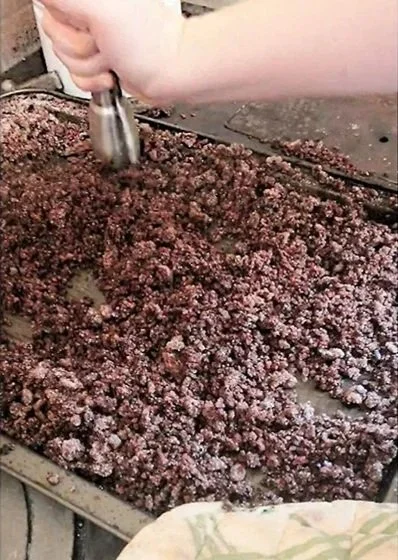
Saluzzo Chocolate
-
![]()
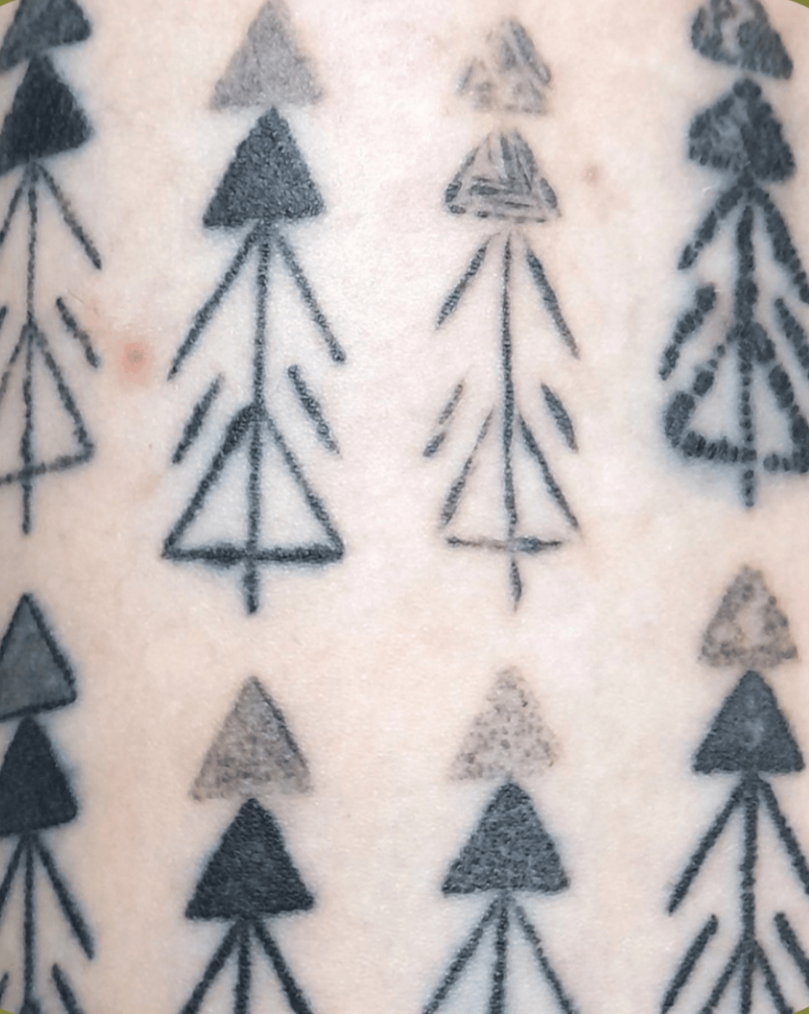
Pre-Electric Tattoos
-
![]()
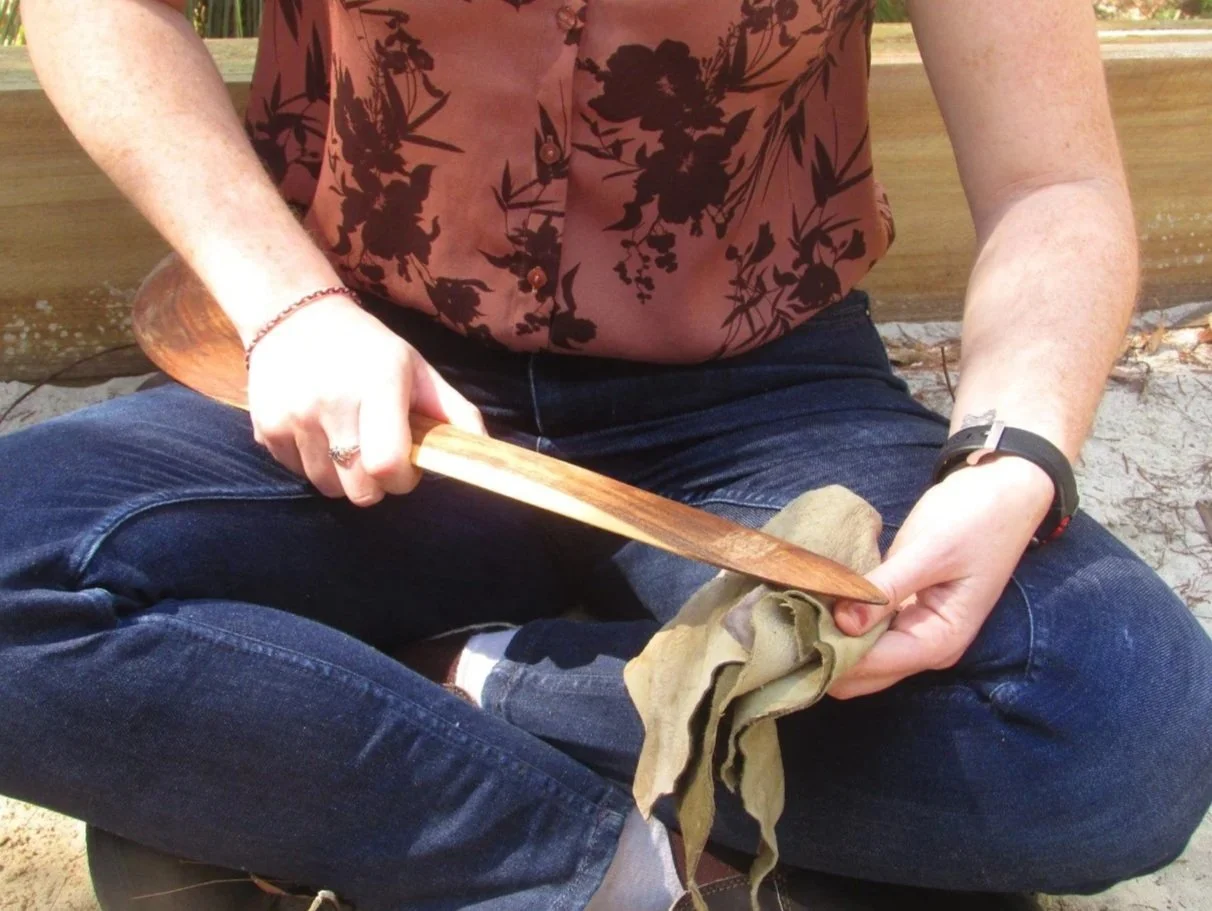
Aboriginal Boomerangs
-
![]()
Neanderthal Footwear