

From academic research and collaborations with museums and institutions to reenactment, craftwork, and informal projects carried out simply for the joy of discovery, the blog highlights the creativity and diversity within our community.
We would like to warmly invite you to contribute a short post for the EXARC Blog. The blog aims to better connect our community by showcasing informal texts from our members, offering a space for you to introduce yourself and share what you are currently working on.
In your post, we invite you to tell the EXARC community who you are, what you are busy with at the moment, and provide a general introduction to your background and interests. The focus of this contribution is on you rather than on a specific project or technical work.
Posts can be up to 1,000 words in length and may include up to 10 images to help illustrate your story. To keep this section accessible and personal in tone, please avoid academic references, footnotes, or technical deep dives into experiments, craft processes, or event reviews. Instead, we encourage you to keep the emphasis on your personal profile and current professional activities.
We look forward to hearing from you and to sharing your work with the wider EXARC community.
EXARC BLOG
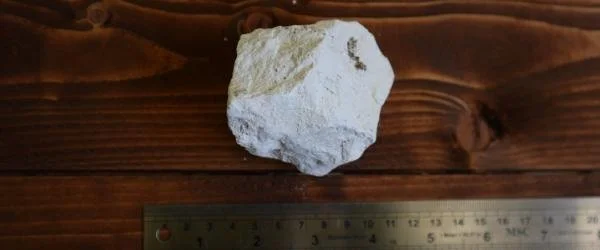
Designing Experimental Design: From Proposal to Experimentation
Experimental design is part of the process of performing experimental archaeology, and every experiment will require a tailored approach. This can be the primary focus of the experiment, in terms of exploration, or can be an accessory for addressing a later step in the experimental process.
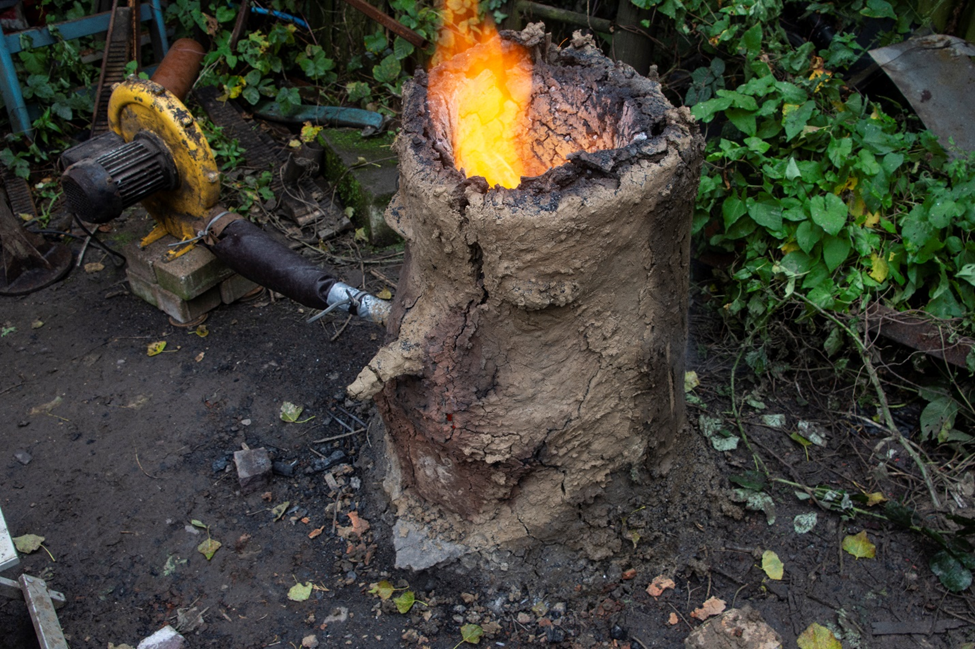
Does It Smelt? Re-Smelting Iron Scraps in a Shaft Furnace
My colleague, Dr. Zech Jinks-Fredrick, and myself, Chris Busuttil, decided to embark on a project of discovery. Our project was designed as a control experiment to determine the feasibility of re-smelting iron scrap in a prehistoric furnace. This topic has been widely debated within the British archaeological community, especially in conversations regarding the motives of hoarding iron objects.