

From academic research and collaborations with museums and institutions to reenactment, craftwork, and informal projects carried out simply for the joy of discovery, the blog highlights the creativity and diversity within our community.
We would like to warmly invite you to contribute a short post for the EXARC Blog. The blog aims to better connect our community by showcasing informal texts from our members, offering a space for you to introduce yourself and share what you are currently working on.
In your post, we invite you to tell the EXARC community who you are, what you are busy with at the moment, and provide a general introduction to your background and interests. The focus of this contribution is on you rather than on a specific project or technical work.
Posts can be up to 1,000 words in length and may include up to 10 images to help illustrate your story. To keep this section accessible and personal in tone, please avoid academic references, footnotes, or technical deep dives into experiments, craft processes, or event reviews. Instead, we encourage you to keep the emphasis on your personal profile and current professional activities.
We look forward to hearing from you and to sharing your work with the wider EXARC community.
EXARC BLOG
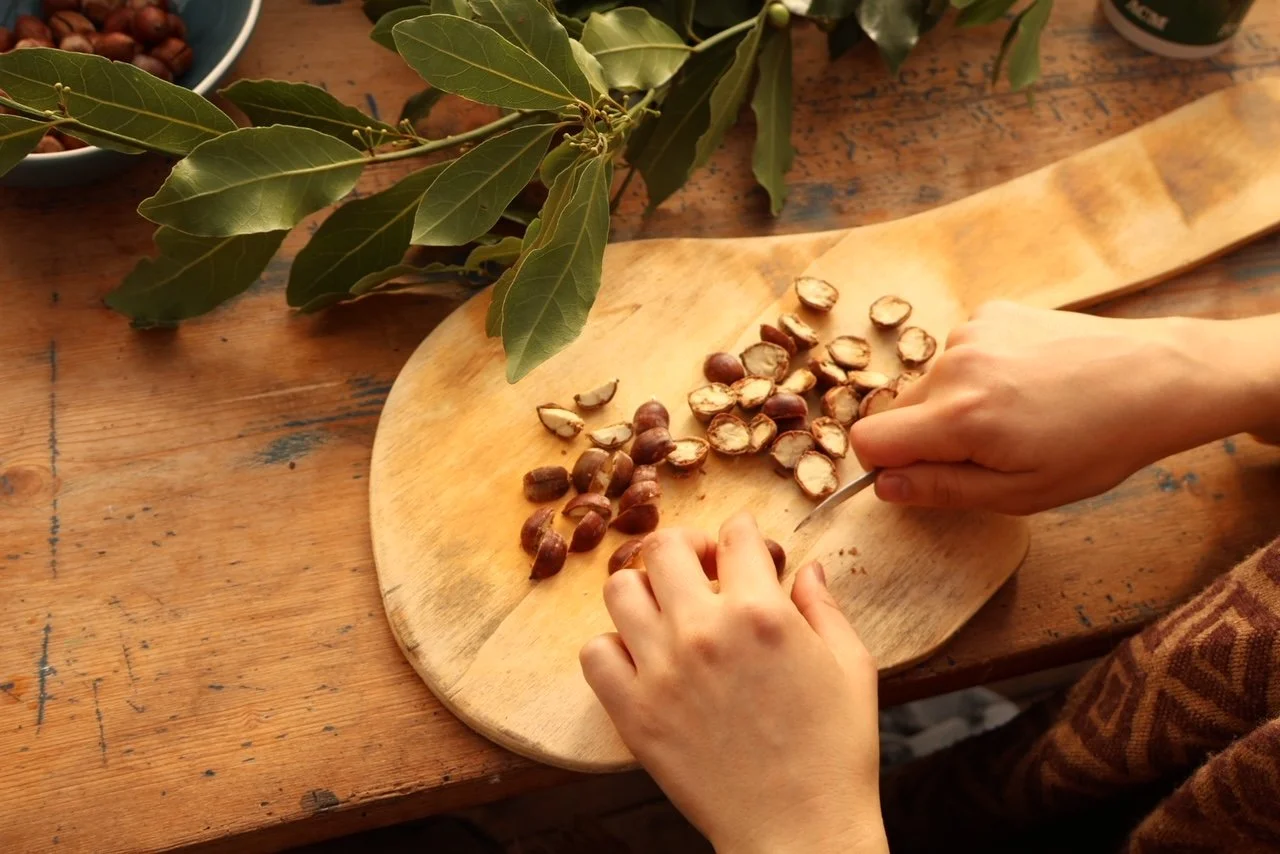
The Wild Biome Project
Hi, my name is Ilse Donker and I’m a forager, community builder and history nerd. I'm one of those hopelessly romantic people that is inspired by the hunter gatherers of the Stone Age. For me, it has been a pathway that has led me to discover how I can live my life in a way that hopefully leaves a good impact on the earth.
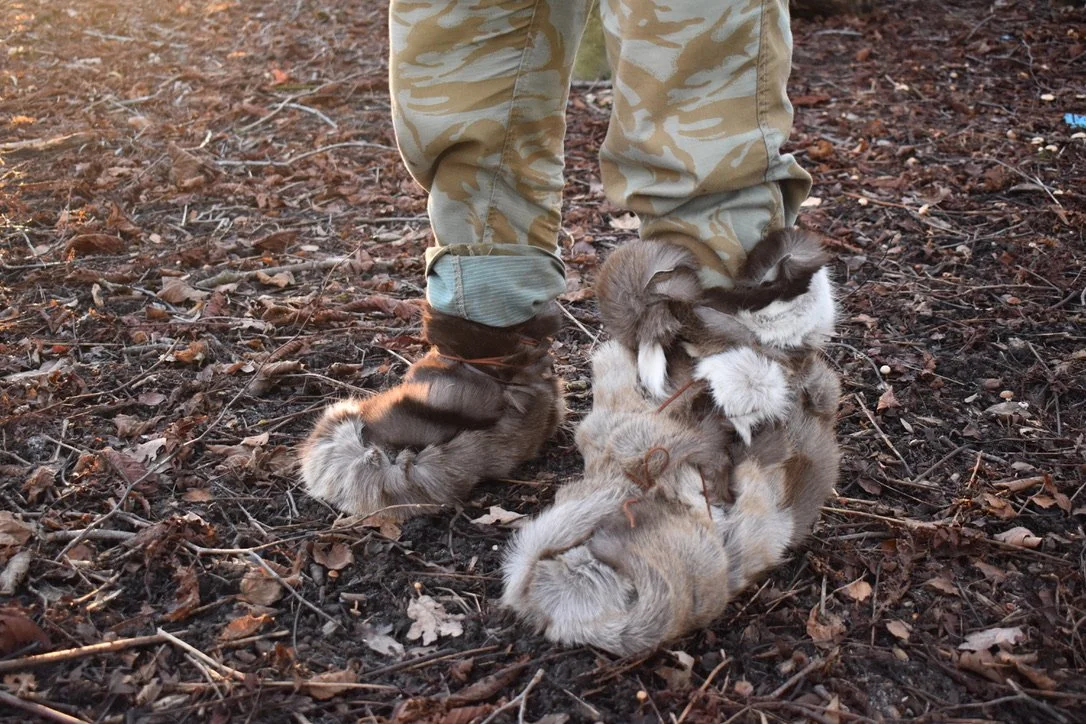
EXARC Award Project Update: Neanderthal Footwear
Neanderthal clothing is something that’s being discussed more and more by archaeologists at the moment, with people now generally agreeing that clothing was needed by many of these early people to survive the often-harsh environmental conditions at the time. Unfortunately, we don’t have much evidence to tell us what this clothing might have looked like – with most clothing likely made of organic material such as animal skins, it has long disappeared.