Merryn Dineley M.Phil
United Kingdom
Member since: 2012
Topics of Interest: Ancient Technology, Education, teaching & training, Food
Focus areas: Mesolithic, Neolithic, Chalcolithic, Bronze Age, Iron Age, Roman Era, Viking Age, Early Middle Ages
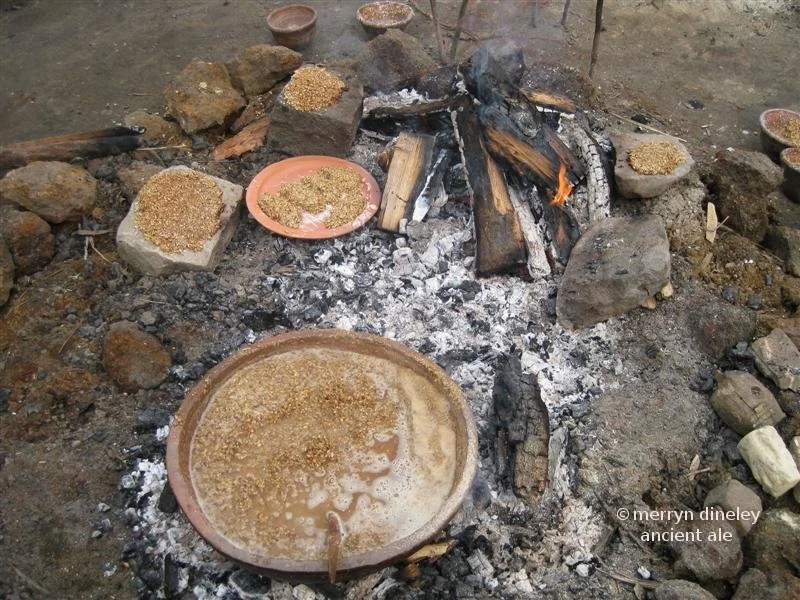
My interest is the craft and technology of making malt and beer brewing over the ages. Wine is fermented from grapes. Mead is fermented from honey. Both grapes and honey contain natural sugars. But with grains like barley, wheat, rye and oats you must first make the sugars before you can even begin to ferment. It's this bit that interests me.
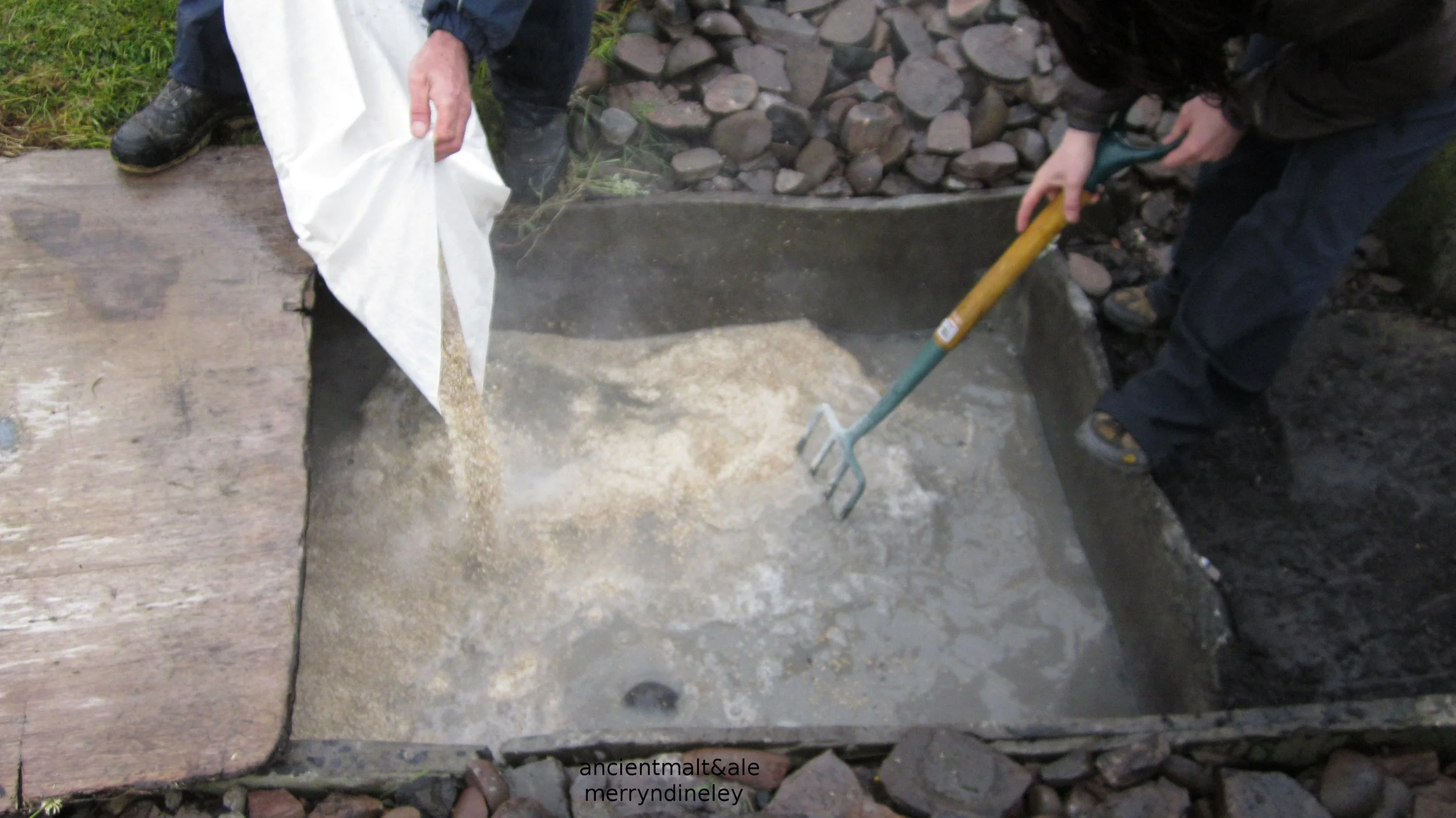
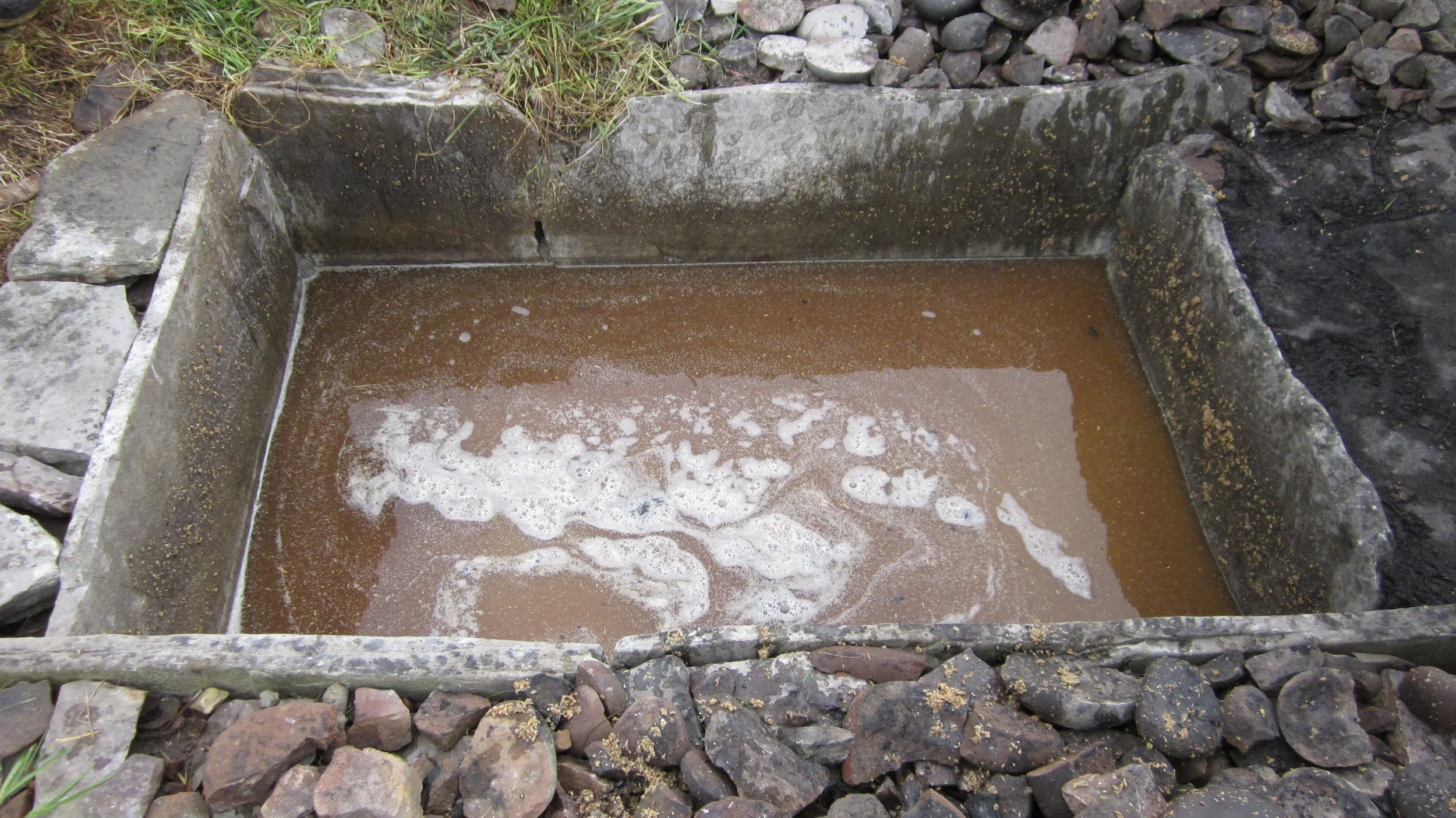
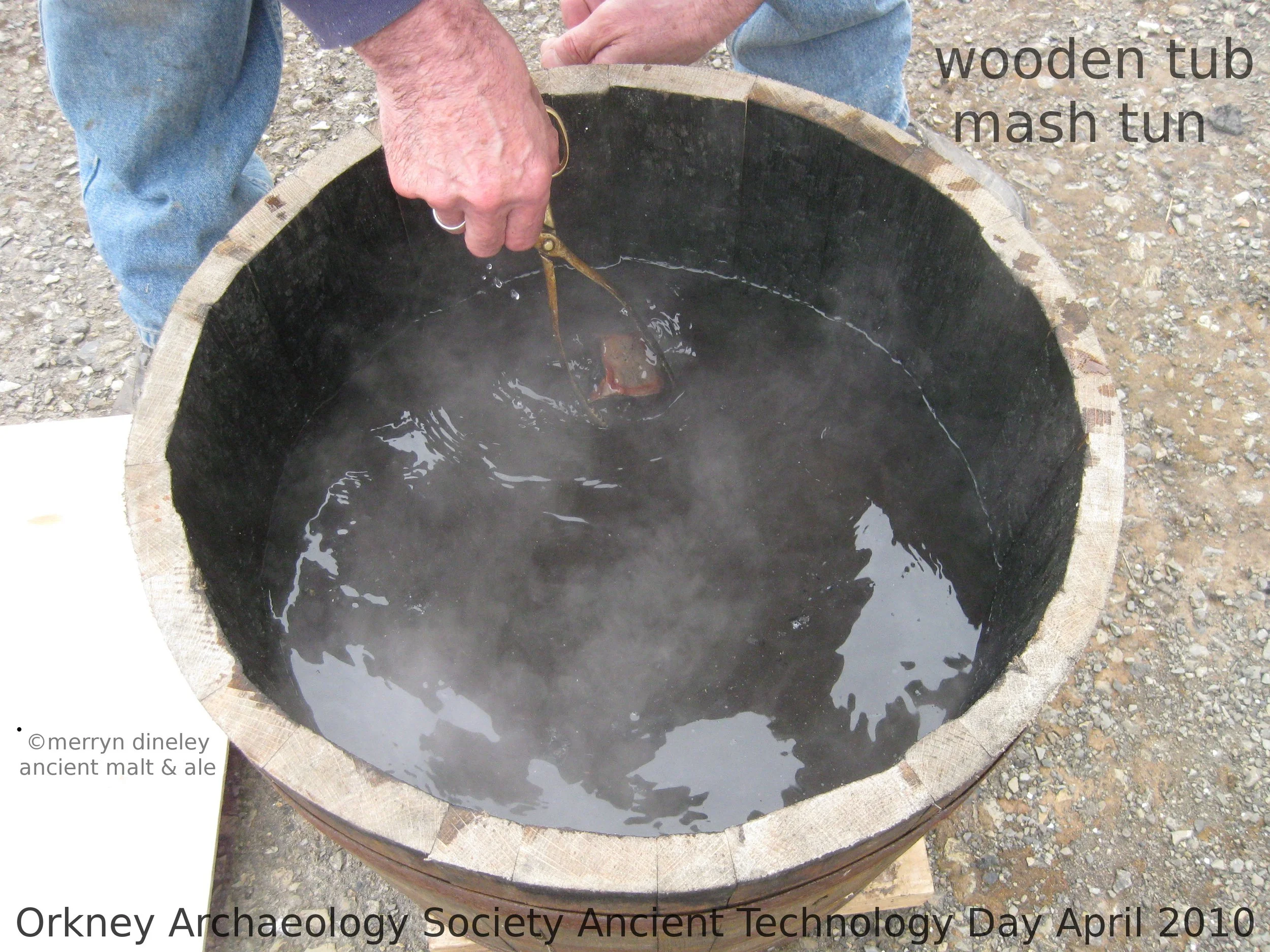
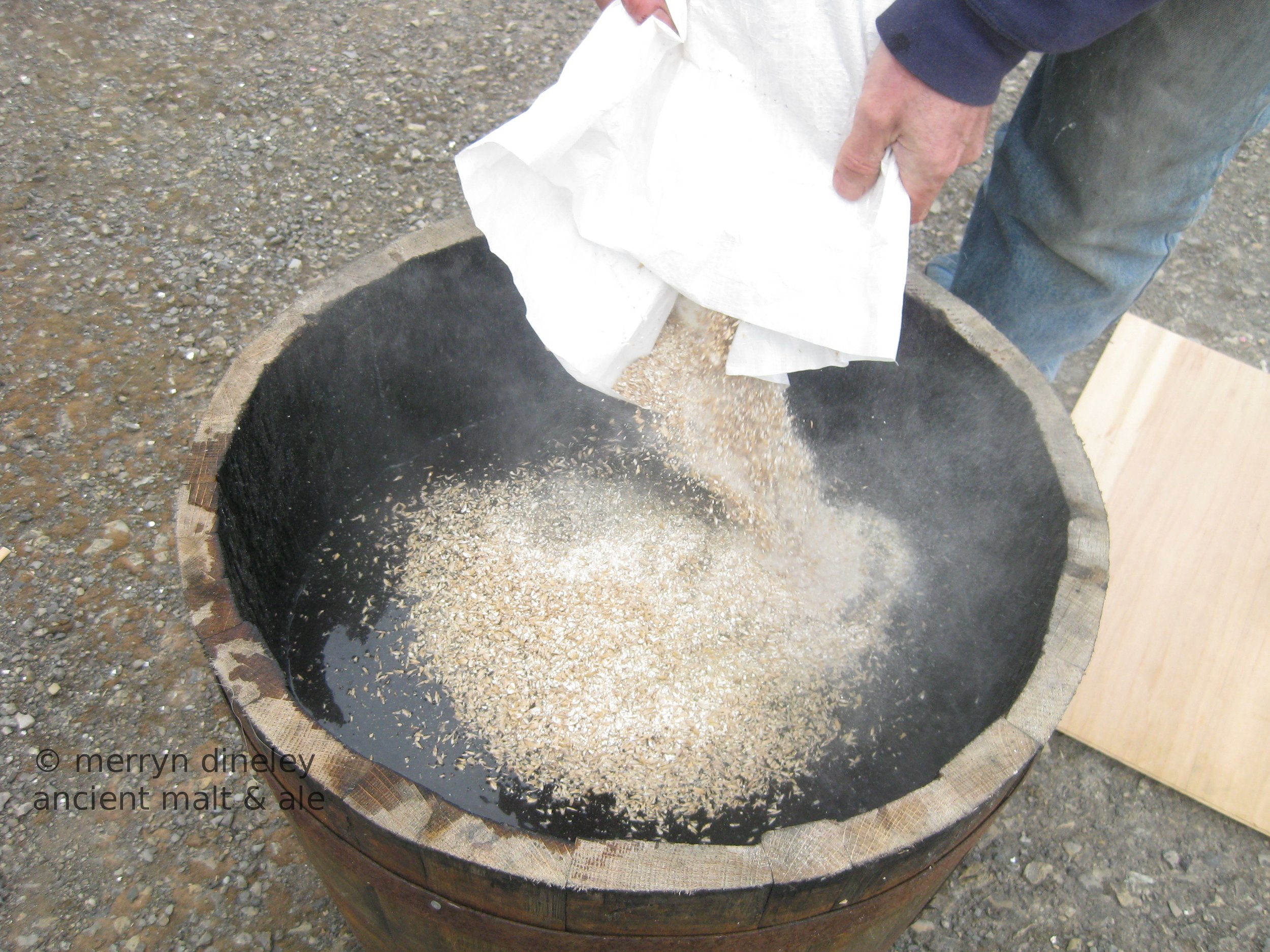
Traditional floor malting technologies probably go back to the first farmers of the Fertile Crescent. Drying the malt is also a traditional skill, requiring low temperatures and careful management. Roasted or toasted malts are from the Industrial, not the Neolithic revolution. Mashing techniques, where crushed malt is heated with water to make fermentable sugars, also remain fundamentally unchanged across the millennia.
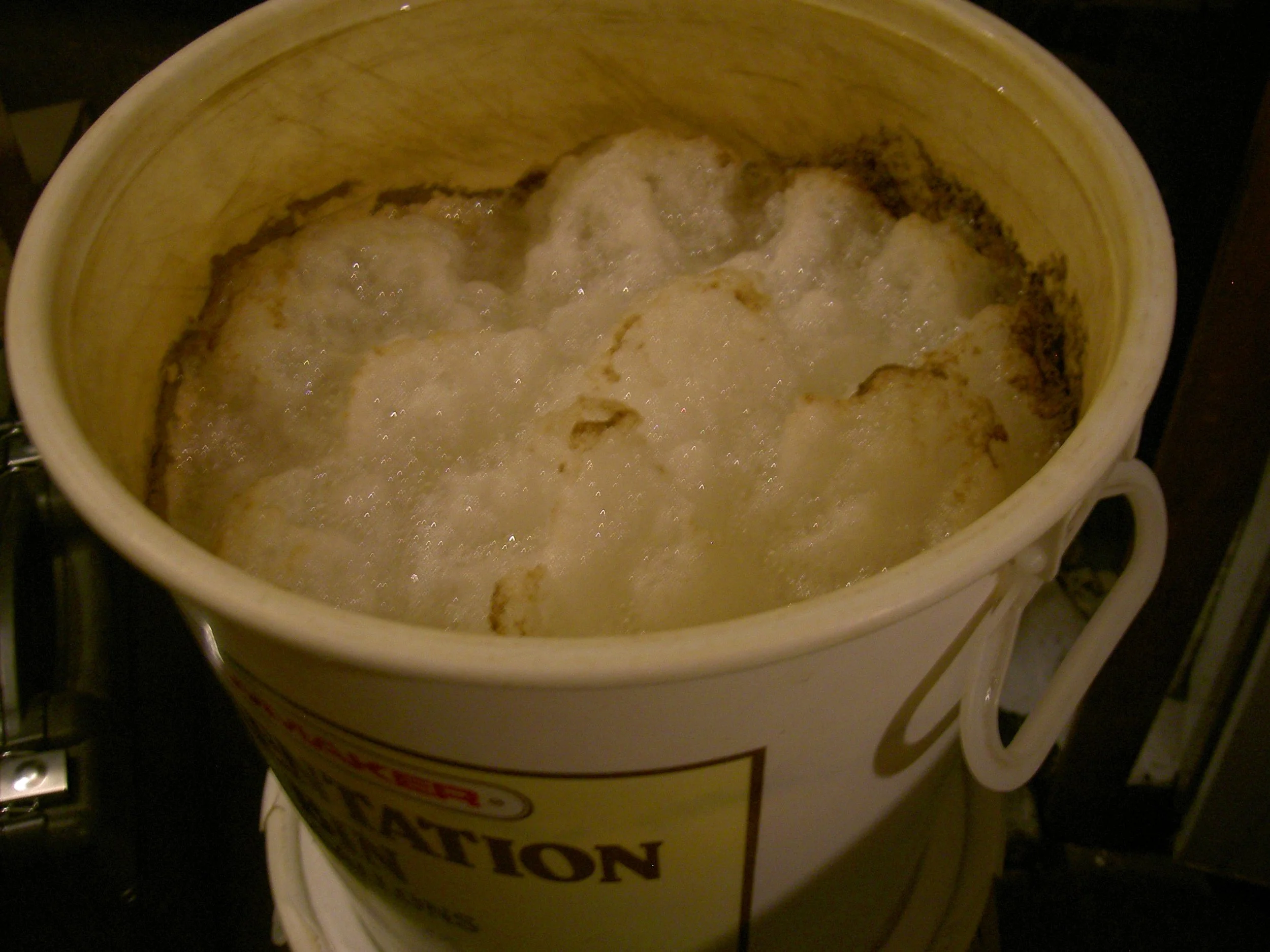
Fermentation, where yeast converts sugars into alcohol, is the last part of the beer brewing process. And even that has its' complexities. What sort of yeast did they use? How to start the ferment?
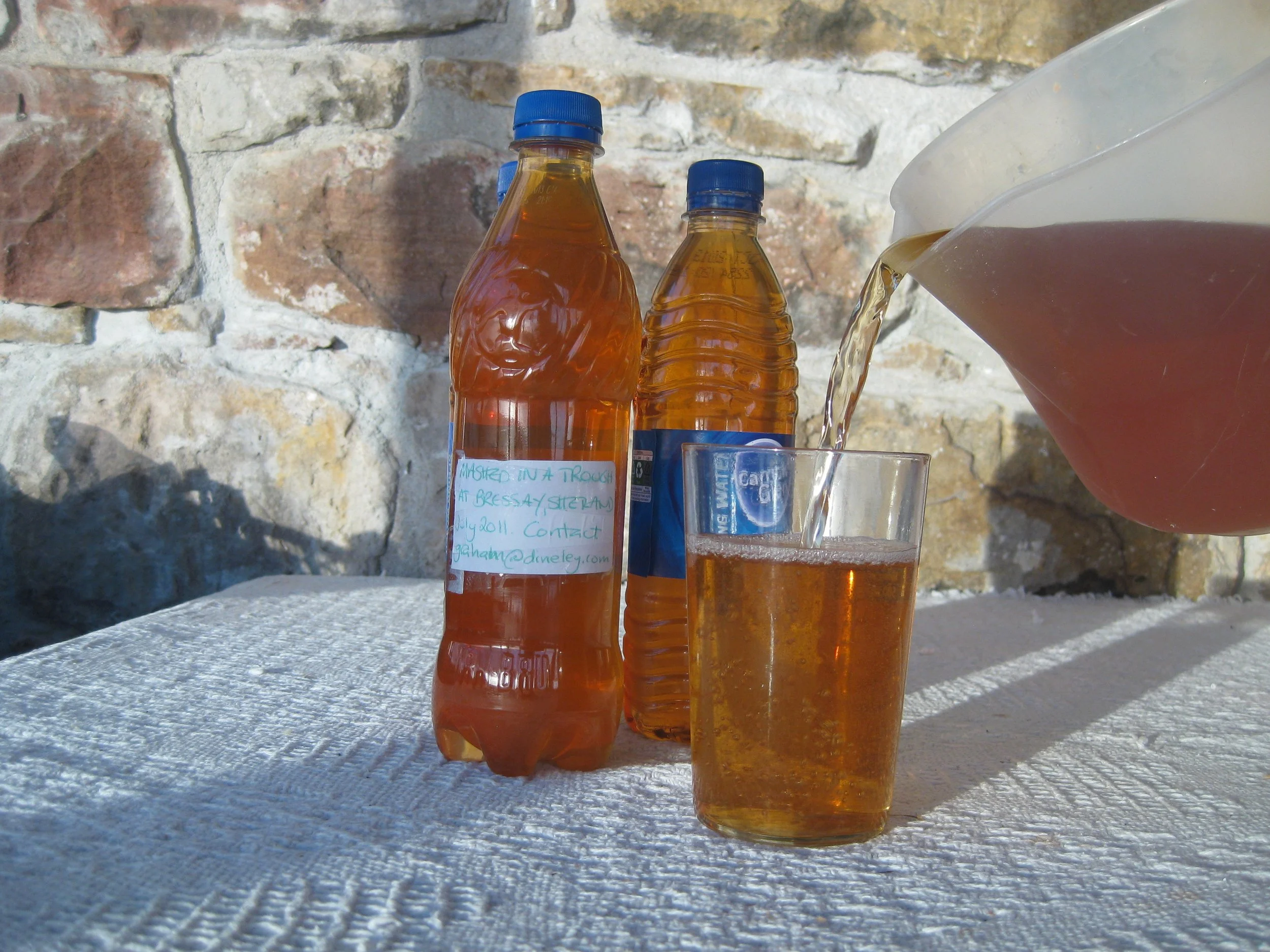
The brewing process, from grain to ale, takes several weeks. I work with my husband Graham, a skilled and knowledgeable all-grain brewer. I am the archaeologist and brewer's apprentice. Between us we aim to unravel and explain the mysterious complexities of malting, mashing, sparging, obtaining a wort and fermentation. At the moment we are not able to do practical demonstrations. We are happy to talk through email and on social media about ancient and traditional malting and beer brewing technologies.