Register to the Conference “Staging the Past: Living History, Live Audiences, Real Challenges” - Berlin, November 2026
EXARC and Stadtmuseum Berlin (Team Düppel) are pleased to announce the conference Staging the Past: Living History, Live Audiences, Real Challenges, to be held in Berlin from 12–15 November 2026. You can view the preliminary program here.
The conference is open to all and welcomes professionals, researchers, practitioners, and interested participants working in experimental archaeology, living history, museum practice, and related fields. Participation for audience and contributors is be possible both in person and online via the registration button.
Registration for the conference is possible until 15 October 2026.
Conference Theme
The conference explores the opportunities and challenges of presenting the past through living history and museum theatre. While living history has become an increasingly influential tool for interpretation, education, and public engagement, it also raises complex questions concerning:
authenticity and quality
performance and interpretation
audience interaction
ethical considerations
institutional and practical constraints
Through papers, workshops, and practical sessions, the conference aims to foster critical discussion and exchange of experience across disciplines.
Papers and Discussions
The deadline for abstract submissions has now passed.
Programme Overview
The conference runs 12–15 November 2026. You can view the preliminary program here.
Thursday 12 November
The event will begin on Thursday, 12 November 2026, with an informal opportunity for participants to meet in the evening. From 18:00, an informal get-together will take place. This gathering is self-paid and not formally organised, but offers a relaxed setting to reconnect with colleagues and meet other participants ahead of the conference.
Friday 13 November
The main programme will start on Friday, 13 November 2026. Registration will open at 08:30, followed by a welcome and greeting at 09:00. The morning programme will consist of a series of talks running from 09:15 to 10:45, after which there will be a coffee break until 11:15. Three further talks will follow, concluding at 12:45. A lunch break will take place from 12:45 to 14:00; lunch is not organised, but participants will receive a list of nearby venues.
The afternoon will be dedicated to workshops, beginning with a session from 14:00 to 15:30, followed by a coffee break, and a second workshop session from 16:00 to 17:00. Those participants who do not plan to attend the workshops on one or both days will have the opportunity to instead attend two guided tours. One will be in the Knoblauchhaus, which focuses on everyday life in the Biedermeier Period. The other will be an exhibition tour of “BerlinZeit”, which looks at the history of Berlin. One tour will be before the break, and one after, so participants will still be able to join for the coffee break.
The day will conclude with a conference dinner at 19:00, which is self-paid but organised.
Saturday 14 November
The programme on Saturday, 14 November 2026, will follow a similar structure. Registration will again begin at 08:30, with a welcome at 09:00. The morning will feature a sequence of talks from 09:15 to 10:45, followed by a coffee break. Three further talks will take place between 11:15 and 12:45. Lunch will run from 12:45 to 14:00 and, as on Friday, is not organised, though recommendations will be provided.
The afternoon will again be devoted to workshops and guided tours (see the details above), with sessions from 14:00 to 15:30 and 16:00 to 17:00, separated by a coffee break.
The day will end with an organised, self-paid dinner at 19:00.
Workshops
On Friday and Saturday afternoons, three parallel workshops will be offered. For this reason, conference participants will only be able to attend two of the workshops. Please select which workshops you would like to attend when registering. Places are limited and are offered on a first come, first served basis. If the workshop is full, we will put your name down on the waiting list. Below you can find more information on the workshops offered.
Katrin Kania
Katrin Kania studied Archaeology of the Middle Ages and Early Modern Time, specialising in textile crafts with a strong focus on the practical aspects. She teaches and demonstrates textile crafts, makes reconstructions for museums and sells textile tools and materials for a number of crafts. The workshop offers a brief introduction of simple seams and stitches frequently used in medieval garments, such as running stitch and whip stitch. These can be used for hand-sewing or for hand-finishing garments ranging from the early Middle Ages to Modern Age.
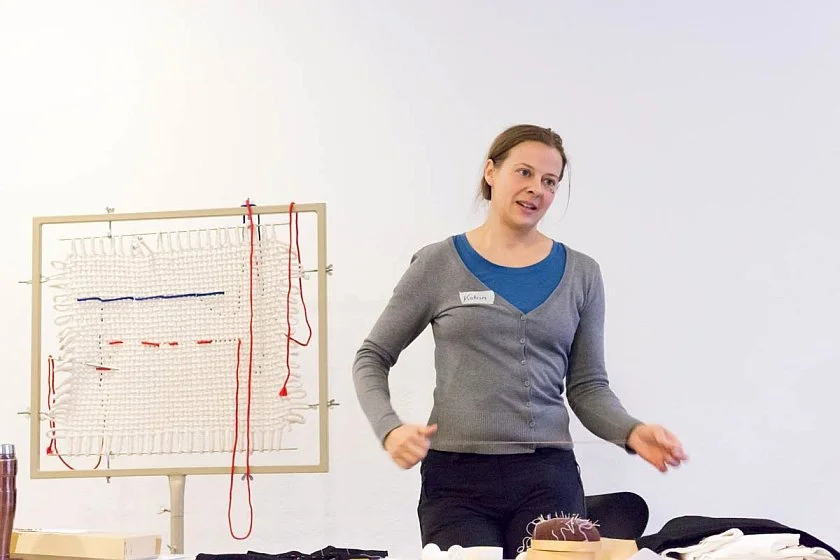
Textile workshop from Katrin Kania.
Angela Pfenniger
Angela Pfenninger M. A. trained as a professional event manager who specialises in performing history for heritage sites, museums, archives and jubilees. With her German-ased agency Museum-Theater-Events she offers idea, concept, script, production design and on-site or digital implementation. She has published various articles about museum theatre, and offers courses and talks about the subject at home and abroad. She is a member of EXARC/IMTAL, Deutscher Museumsbund, Fachverband Public History Forschung. Ever wanted to play an historical character in your heritage site, but unsure how to go about it? You want to introduce, or improve, a performance format, but at a loss where to start? This workshop gives an overview of different formats and methods that enable interpreters to give livelier presentations, or enter the world of role play, even for those with no or little prior theatre experience. Practical exercises will give ideas to take home & get creative, whilst staying true to history.
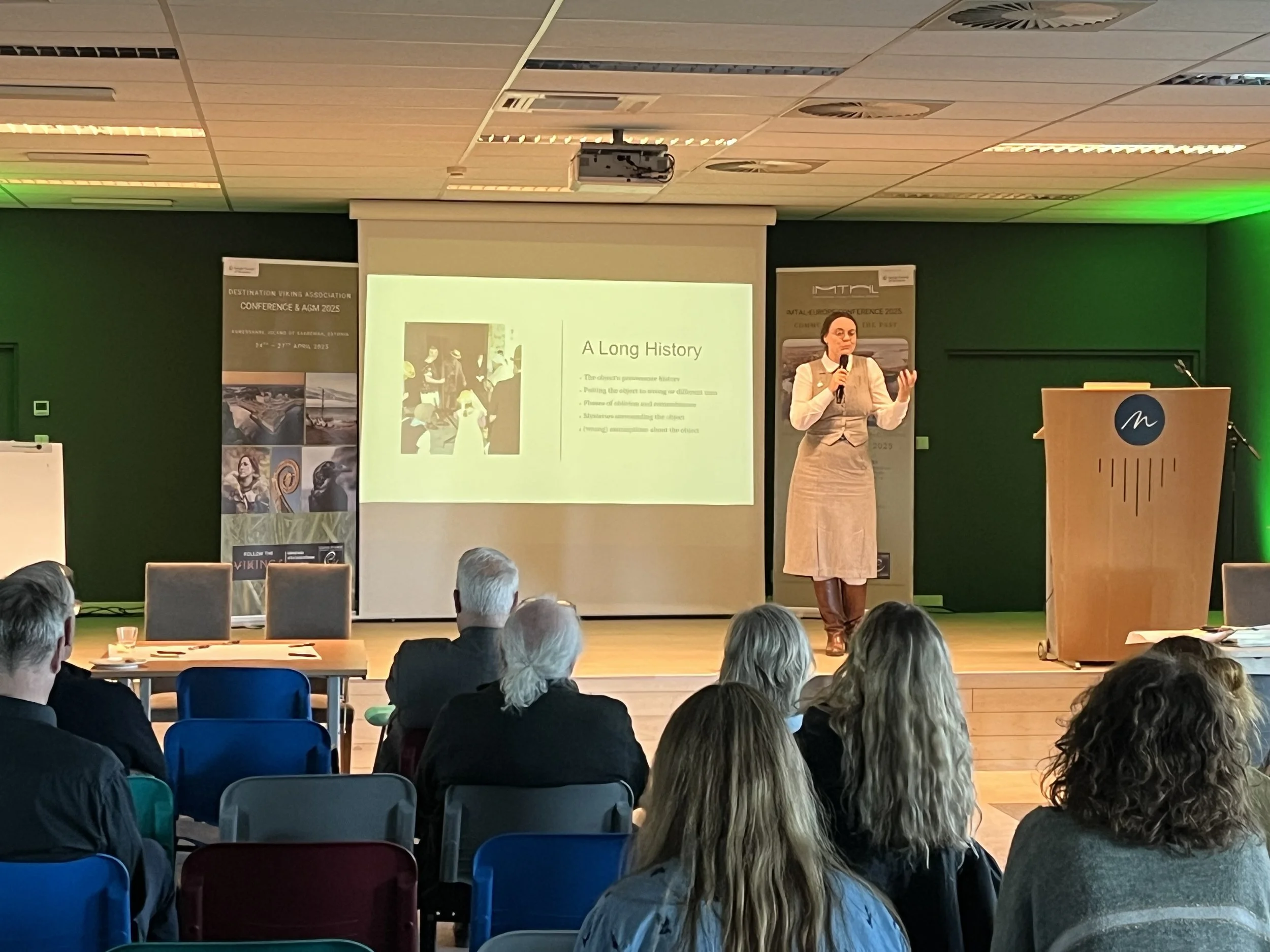
Workshop led by Angela Pfenninger at the “Follow the Vikings” conference, Estonia, 2025.
Ronja Lau
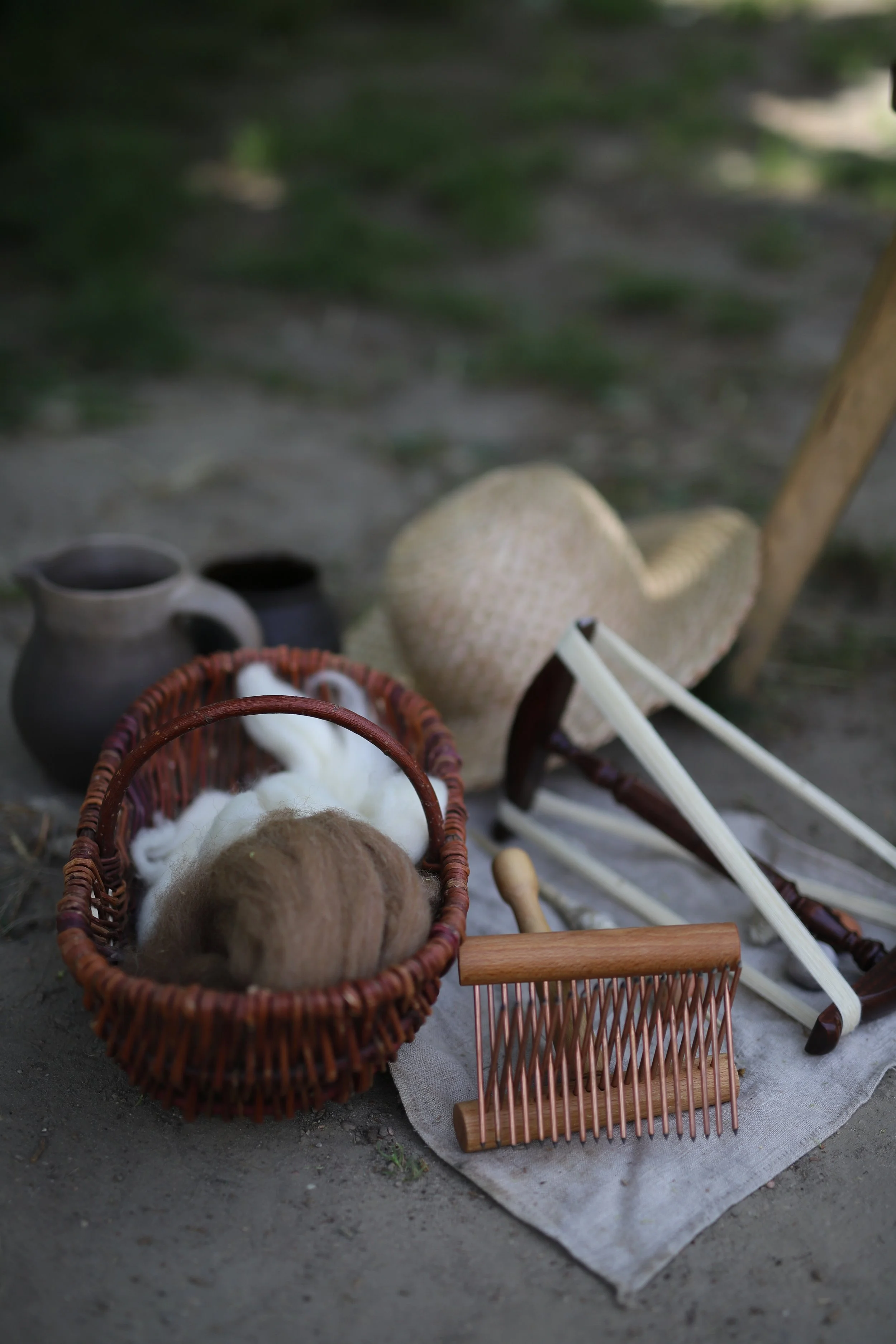
Introduction to spinning thread from sheep’s wool.
Ronja Lau studied prehistoric archaeology at the Free University of Berlin, where she obtained her bachelor's and master's degrees. She is currently a doctoral candidate at the Ruhr University Bochum's Institute of Archaeological Sciences and the Natural History Museum Vienna.
Her research has always focused on archaeological textile research in Central Europe. She is currently writing a dissertation entitled "Textile Archaeological Analyses of Finds from the Dürrnberg Salt Mine". The spinning workshop is aimed at beginners and teaches the technique of spinning with a hand spindle.
First, participants can get a feel for the material, twist the wool and practise the individual steps at their own pace. Under guidance, they will then spin a simple thread from sheep's wool, which they are welcome to take home with them at the end.
Sunday 15 November
The conference will conclude on Sunday, 15 November 2026, with an excursion to Düppel. Participants will meet at the site in the morning. Depending on overall numbers, the group will be divided into two or three smaller groups. Activities will include guided tours led by a first-person interpreter portraying a fictional character from the medieval settlement formerly located at Düppel, as well as parallel hands-on craft activities. The excursion will conclude with a farewell lunch, provided on site, and a final wrap-up session, bringing the conference to a close.
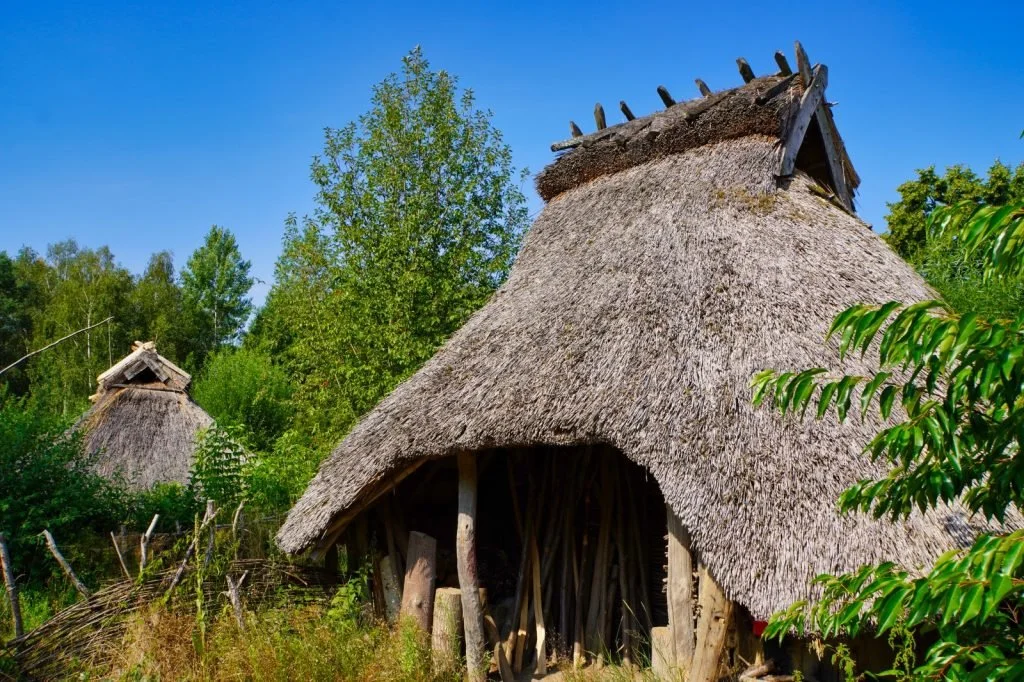
Düppel Museum Village
Fees
Registration is open for both in-person and online participation, and will close on 15 October 2026.
Online attendees can join the conference free of charge, while for online presenters a fee of €30 will be charged. The fee is intended to cover administrative and organizational costs, including paper processing and YouTube streaming.
For in-person participants, the registration fees are structured according to membership status and category as follows:
Regular EXARC member: €100
Student EXARC member: €65
Regular non-EXARC member: €140
Student non-EXARC member: €95
Special rate – Volunteers at Düppel: €30
All registrations, whether for in-person attendance or online participation, can be completed through the conference registration form.
Venues
PETRI Berlin
Morning sessions (until the lunch break) will take place at PETRI Berlin.
Humboldt Forum Berlin
In the afternoons, participants will be divided into two groups. One group will remain at PETRI Berlin, while the other will move to a seminar space at the Humboldt Forum Berlin.
Co‑organised by: